
Wisdom and Meaning of Life
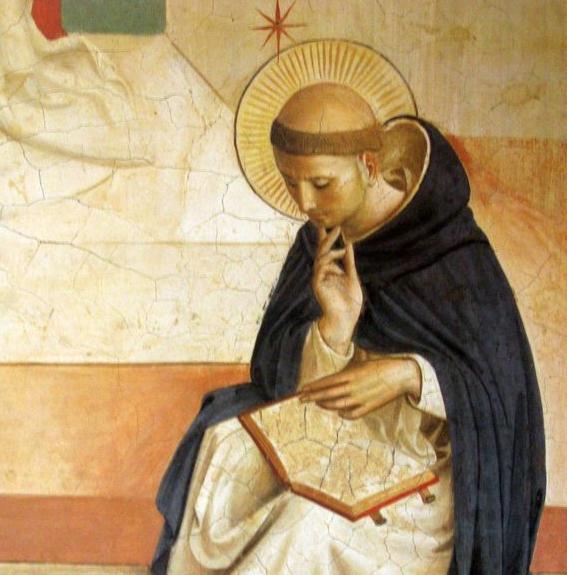
The Benedictine tradition has always cultivated the life of the mind alongside work and community life.
Within the ecosystem of Abbaye Saint-Pierre, the Monastic studium explores the intellectual traditions that have shaped civilizations.
Through lectures, discussions, reading circles, and study of texts, participants engage with philosophy, theology, literature, and history in order to better understand the human condition.
Monastic Philosophy
Wisdom from the Rule and the Path of Contemplation
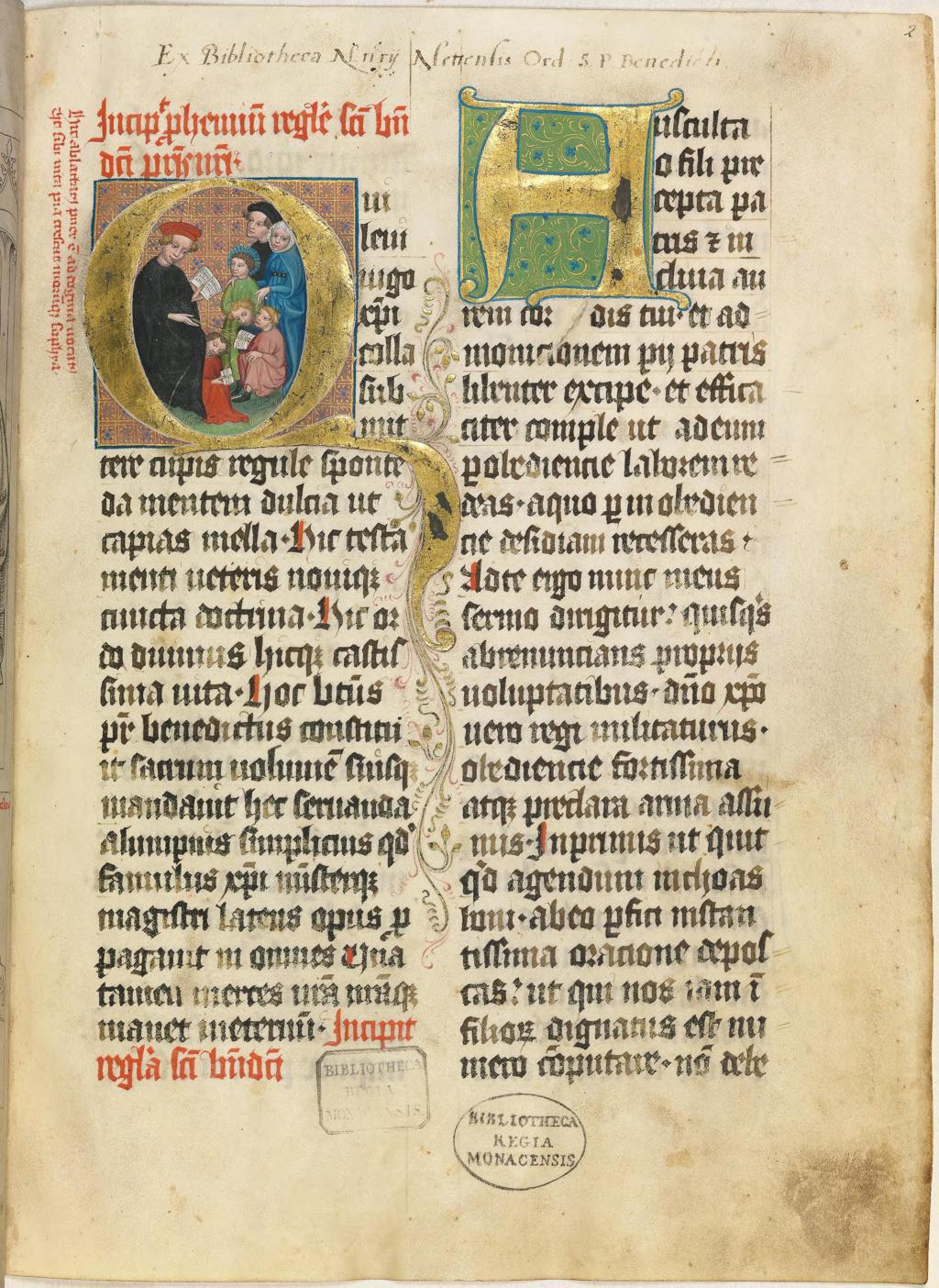
Monastic philosophy begins with the Rule of Saint Benedict, a text that has guided communities for over fifteen centuries.
These reflections reveal how philosophical insight can be lived through daily practice.
- contemplation and inner peace
- silence and attention
- humility and spiritual growth
- authority
- charity
Rather than abstract speculation, the Rule offers a philosophy of life rooted in balance, humility, discipline, and attentiveness.
Theology
The Order of Creation and the Search for Truth
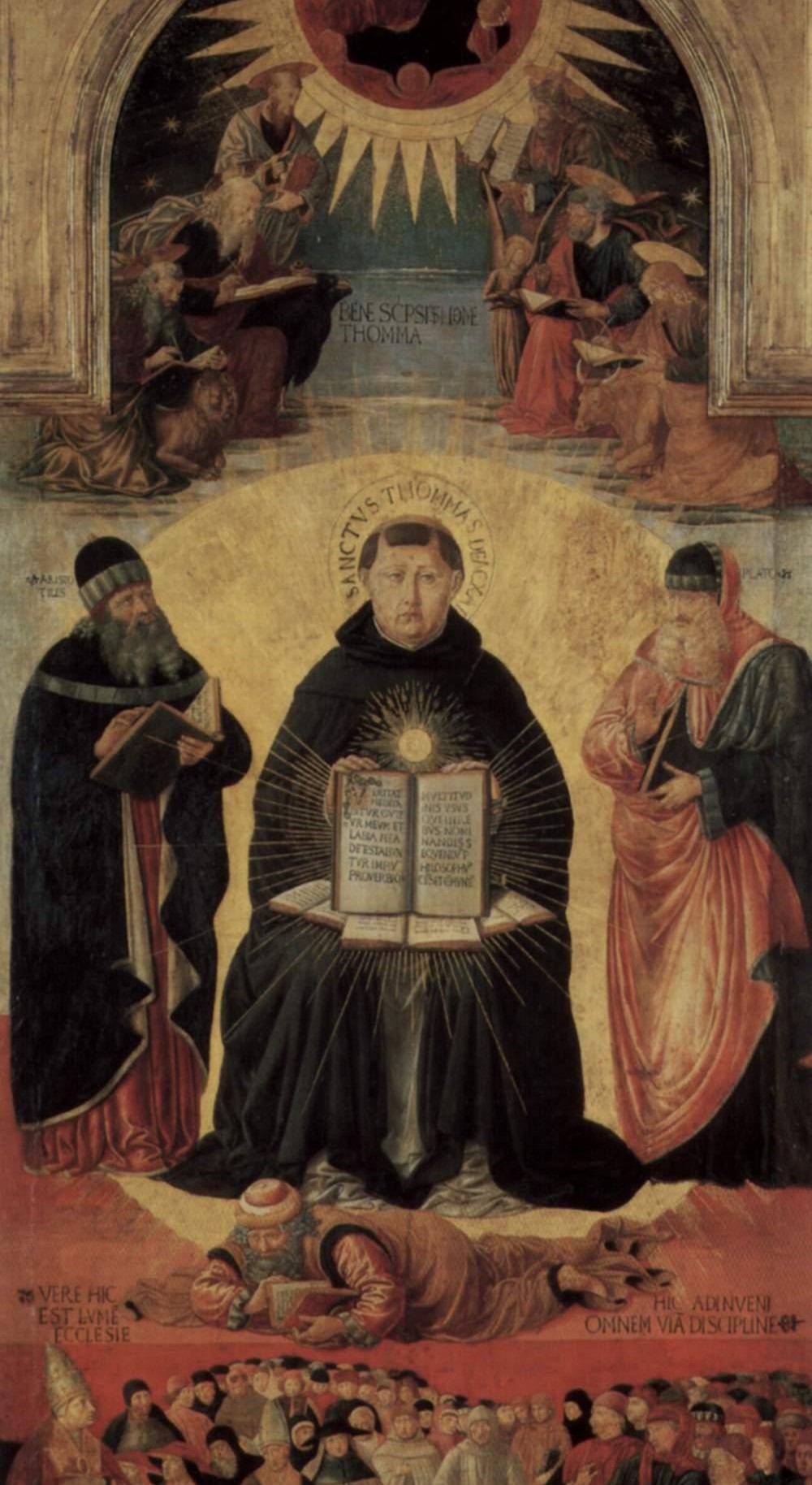
Inspired by the synthesis of Thomas Aquinas, this section explores some of the great questions that have shaped human thought.
Topics include:
- the nature of God and creation
- human freedom and moral action
- virtue and the pursuit of the good life
- justice, law, and the common good
- grace and spiritual transformation
These discussions connect classical theological thought with contemporary questions about meaning and responsibility.
Literature
Words that Shape the Human Experience
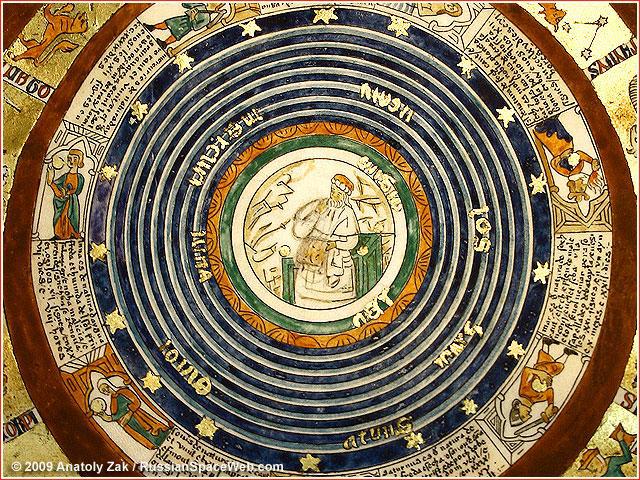
Literature opens a space where the deepest dimensions of human experience can be explored.
Through lectures, reading groups, and discussions, participants encounter texts and poetry addressing themes central to the Benedictine ecosystem:
- peace and reconciliation
- conflict resolution
- charity and compassion
- love and generosity
- responsibility and moral values
By engaging with literature, participants discover how words can illuminate the human heart.
History
Civilizations, Religions, and the Cycles of Time
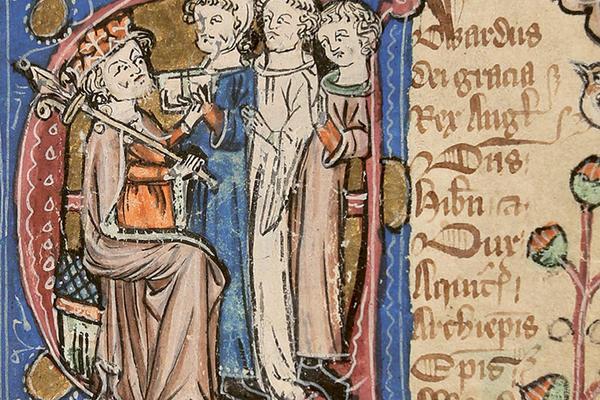
History provides the broader perspective necessary to understand the present.
Lectures and seminars explore the rise, transformation, and decline of civilizations, religions, moral values and peoples.
Themes include:
- the emergence of religious traditions
- cultural identities and social structures
- moments of flourishing and crisis in civilizations
- lessons that the past offers for the future
By studying history, participants gain a deeper understanding of the forces shaping human societies.
Great Texts Program
Reading the Foundations of Thought and Civilization
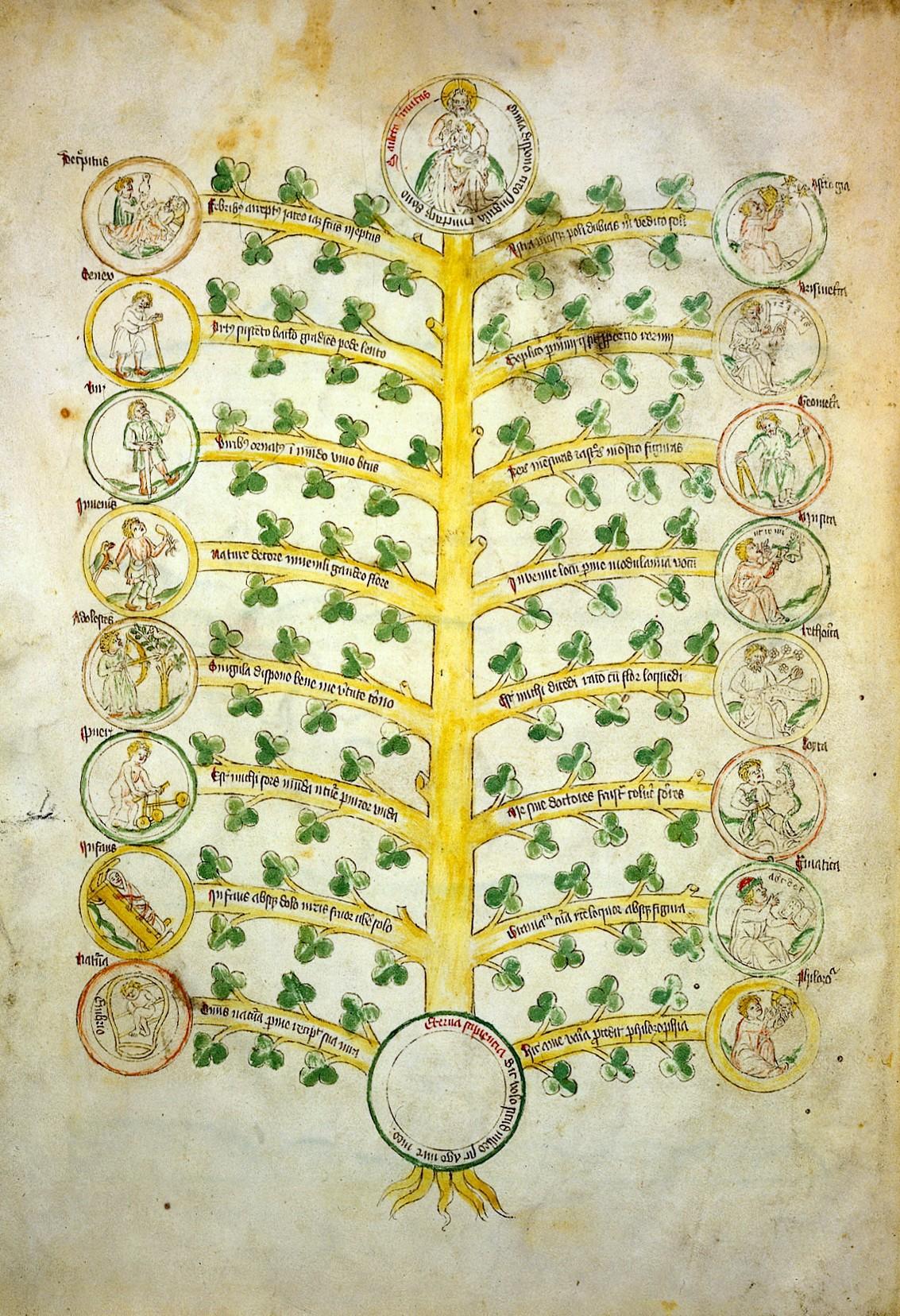
The Monastic studium program invites participants to encounter some of the great works that have shaped philosophical, theological, and literary traditions.
Through guided reading, discussion, and lectures, these texts become a starting point for reflection on human life, society, and spiritual experience.
Among the works explored:
- Rule of Saint Benedict
— a guide to community life and spiritual discipline - Confessions
— Augustine of Hippo - Summa Theologiae
— Thomas Aquinas - The Divine Comedy
— Dante Alighieri - Pensées
— Blaise Pascal - The Portal of the Mystery of Hope
— Charles Péguy
Together these works explore questions that remain central today:
- What is good work, what is working for good, what is good life?
- What sustains families, communities and civilizations?
- What sustains families, communities and civilizations?
The study of great texts becomes not only an intellectual exercise, but a way of deepening attention, judgment, and wisdom.
A Culture of Reflection
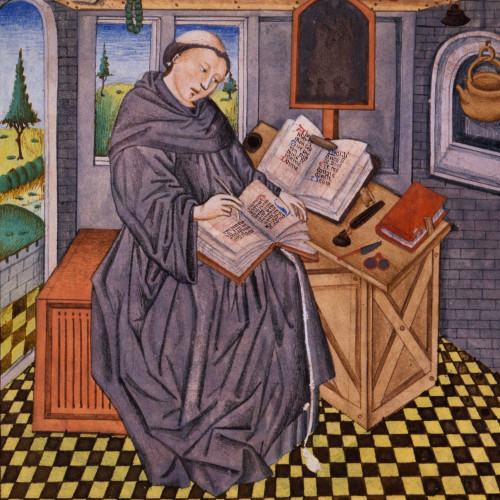
The Monastic studium forms an essential dimension of the Benedictine Oasis.
They create a space where ideas, traditions, and texts can be explored in a spirit of dialogue and curiosity.
Through philosophy, theology, literature, and history, participants encounter intellectual traditions that illuminate the past, the present and the future.