
A Place Shaped by Time
Abbaye Saint-Pierre de Mas-Grenier is one of the oldest monastic sites in southwestern France and a landmark of the spiritual history of the Lomagne. Founded in 842, it is considered the earliest known cenobitic monastery in the region and the only one of its kind to have endured through the centuries.
From its origins, the Abbey was conceived as a place of shared life, prayer, and work—rooted in the Benedictine tradition and closely connected to the land and surrounding communities.
A Place Shaped by Time and Life
Places that endure shape the lives lived within them.
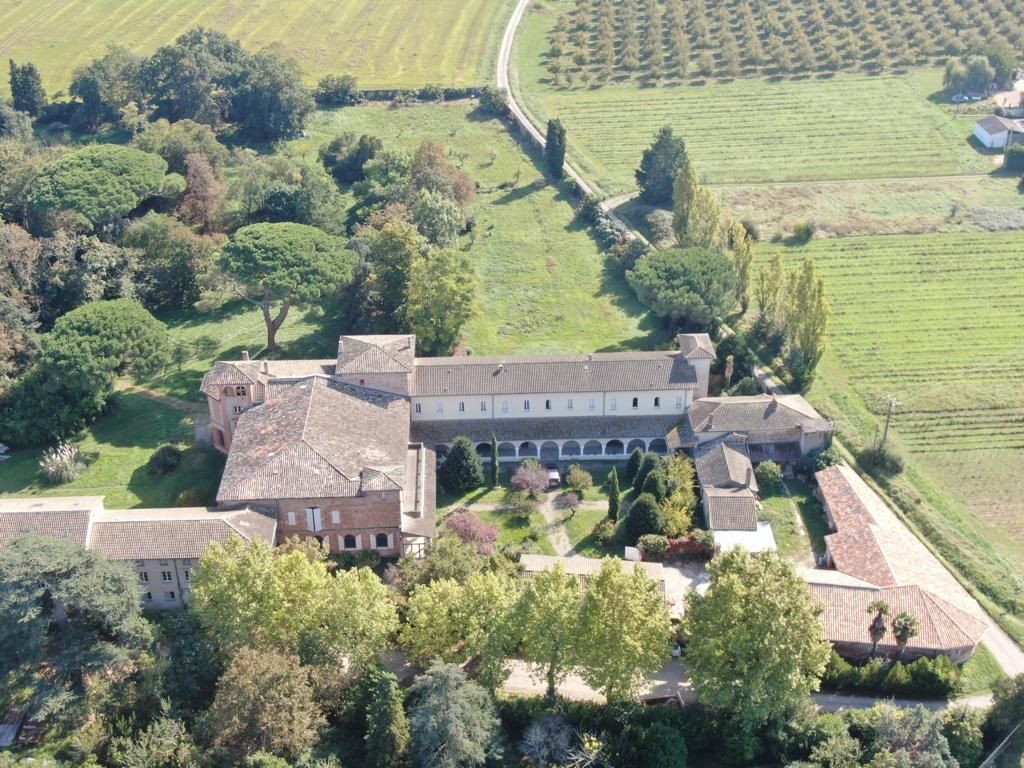
The Abbey of Saint-Pierre is more than a historical site. Over centuries it has served as a place of reflection, work, learning, and community life. Today the Abbey forms the physical heart of the Benedictine Oasis ecosystem — a campus where land, buildings, and human activity come together to support renewal, creativity, and meaningful work.
Spaces for Reflection and Silence
Silence creates space for clarity.
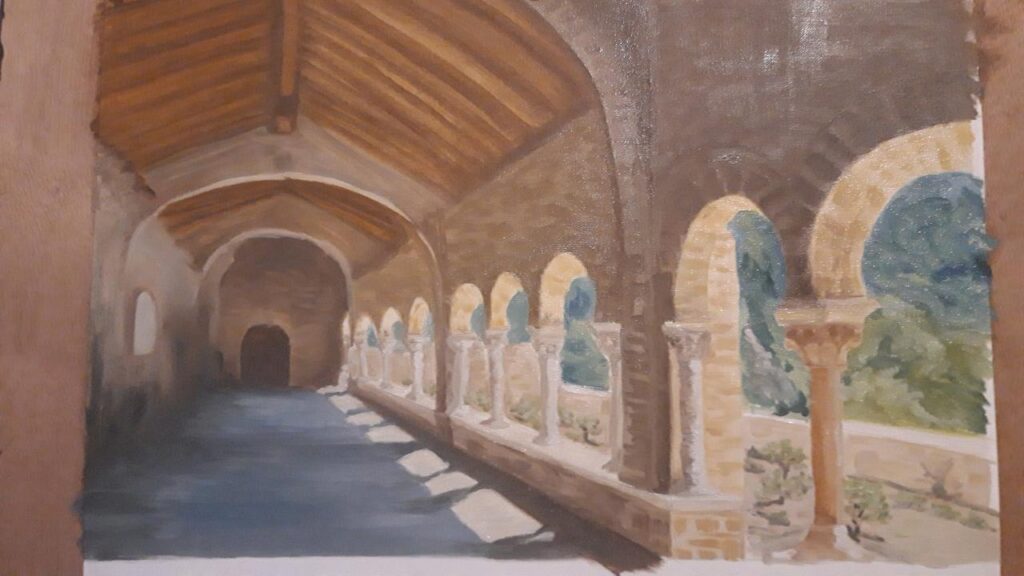
Certain spaces within the Abbey are dedicated to quiet reflection and inner life. Chapels, cloisters, and contemplative corners offer visitors places where attention can slow and deeper perspectives can emerge.
Functional spaces:
- Chapel and prayer spaces
- Cloister and meditation areas
- Quiet gardens for contemplation
Spaces for Learning and Study
Knowledge grows through attentive study.
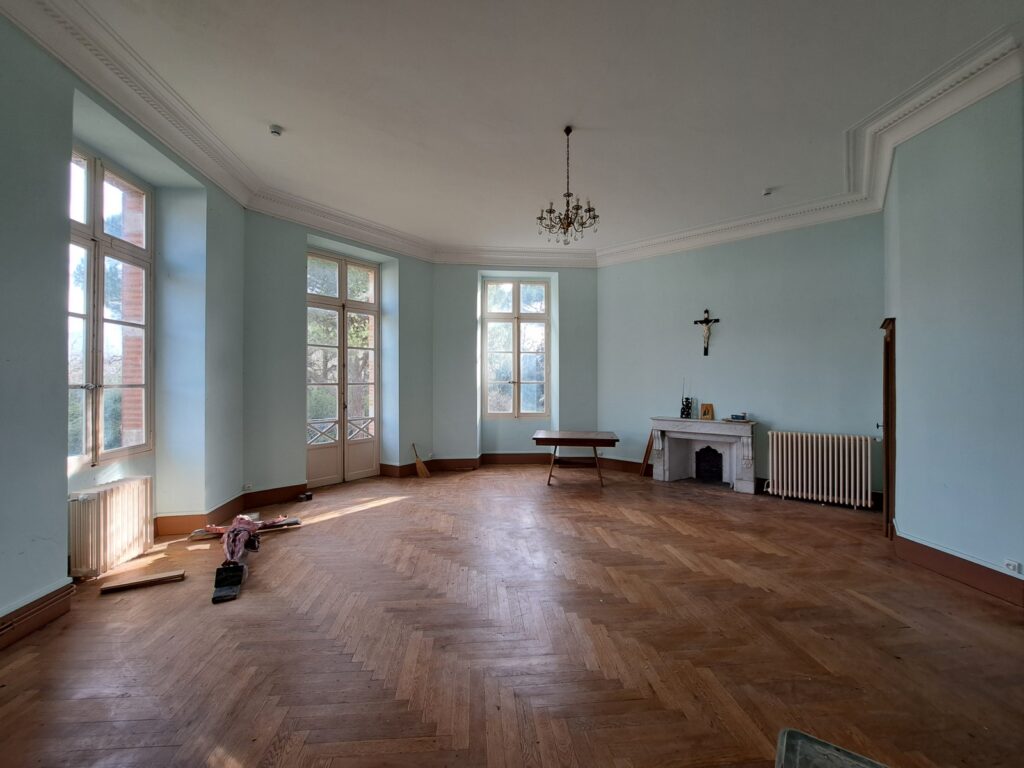
The Abbey includes spaces designed for learning, dialogue, and transmission of knowledge. Here participants gather for courses, seminars, and workshops exploring personal development, culture, leadership, and the humanities.
Functional spaces:
- Library and reading rooms
- Seminar rooms and classrooms
- Conference and training spaces
Spaces for Craft and Creation
Creation connects thought and matter.
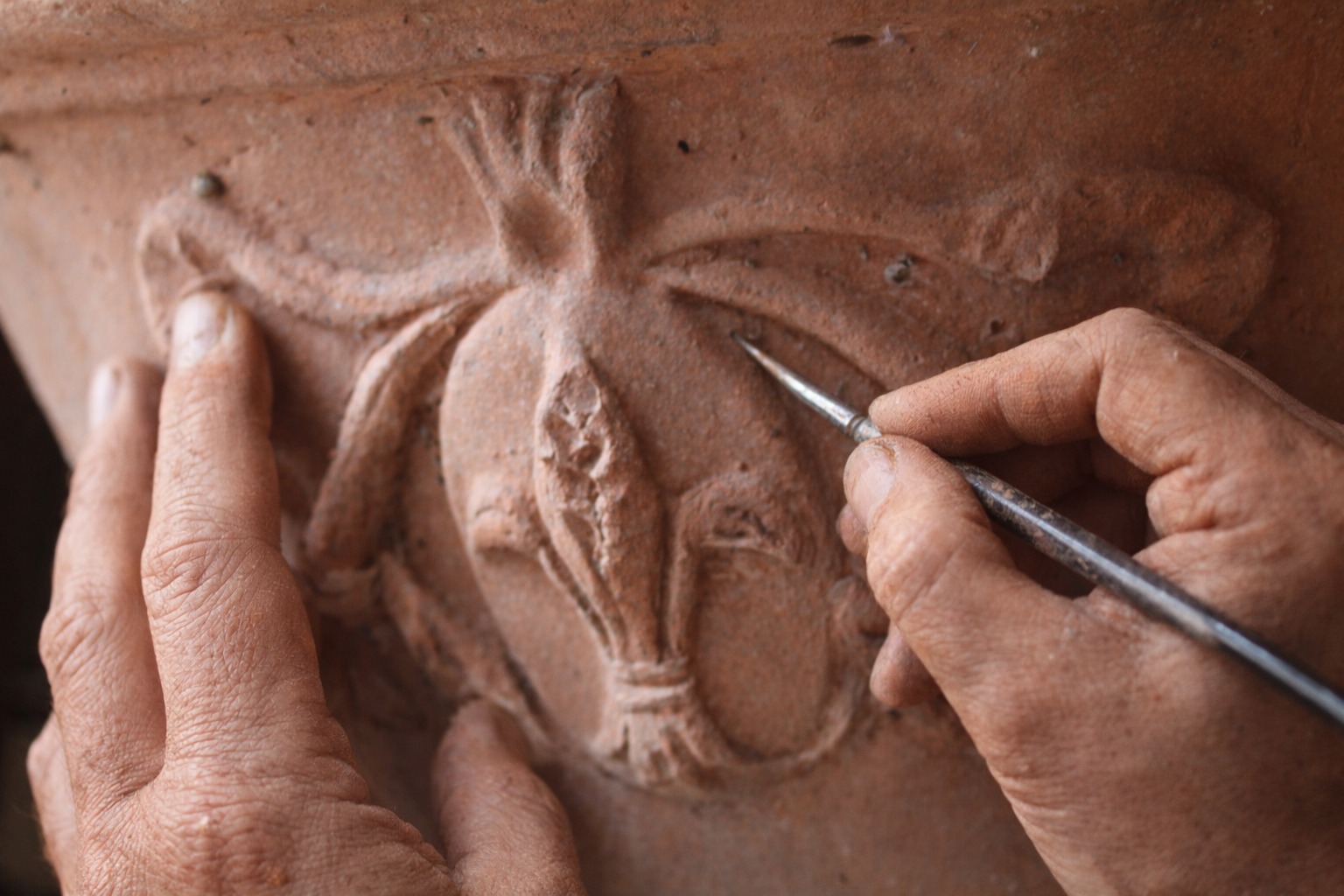
Workshops and studios allow participants to engage with craft traditions and artistic practices. These spaces support the transmission of manual skills and the development of creative expression within the cultural life of the Abbey.
Functional spaces:
- Craft workshops
- Decorative arts studios
- Restoration and heritage workshops
Spaces for Land and Cultivation
Working with the land cultivates attention.
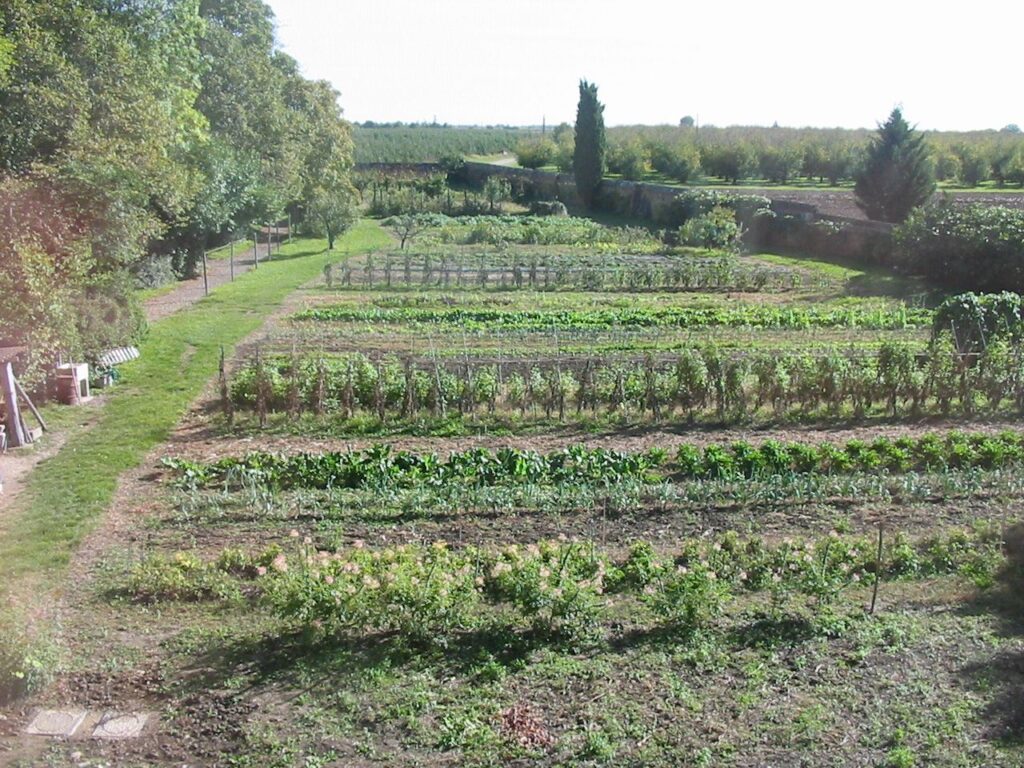
Surrounding the Abbey, gardens, orchards, and farmland form an essential part of the ecosystem. These areas support benedictine, organic agriculture, food production, and learning experiences connected to nature and nourishment.
Functional spaces:
- Vegetable gardens and orchards
- Agricultural fields
- Herbal gardens and plant cultivation areas
Spaces for Hospitality and Shared Life
Hospitality creates the conditions for encounter.
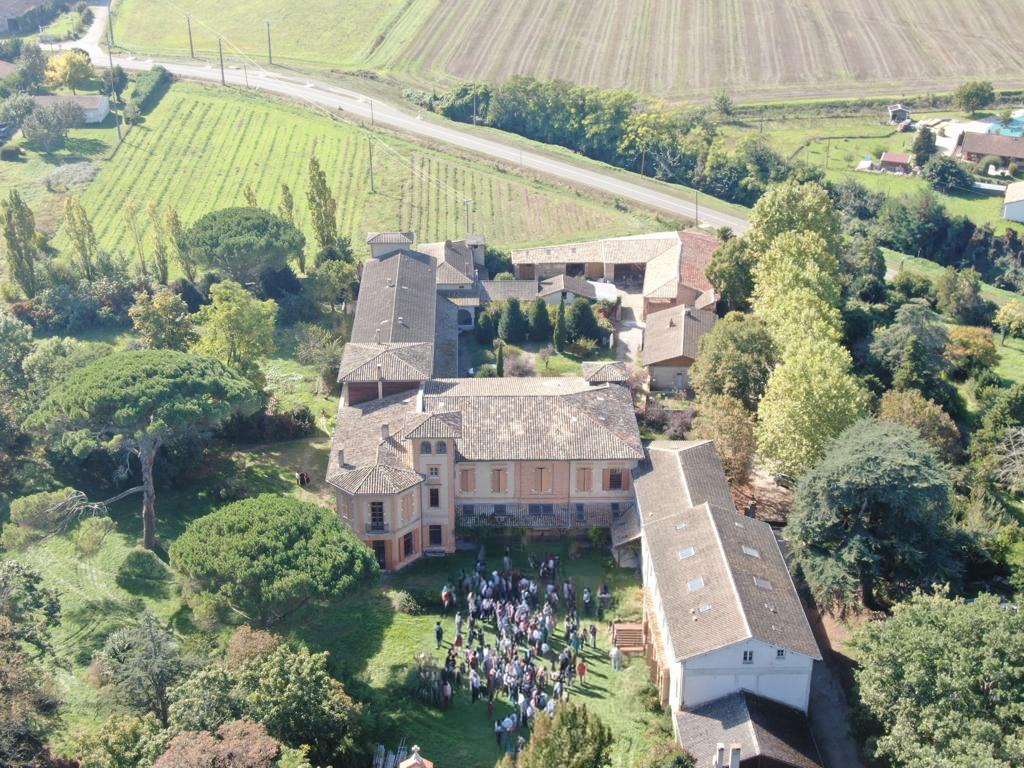
The Abbey includes spaces designed to welcome visitors, residents, and participants in the ecosystem. Guest accommodations and common areas allow people to share daily life, meals, and conversations within a peaceful environment.
Functional spaces:
- Hostelry and guest rooms
- Dining areas and shared kitchens
- Common spaces for gatherings and dialogue
Spaces for Dialogue and Projects
Ideas mature when they encounter reality.
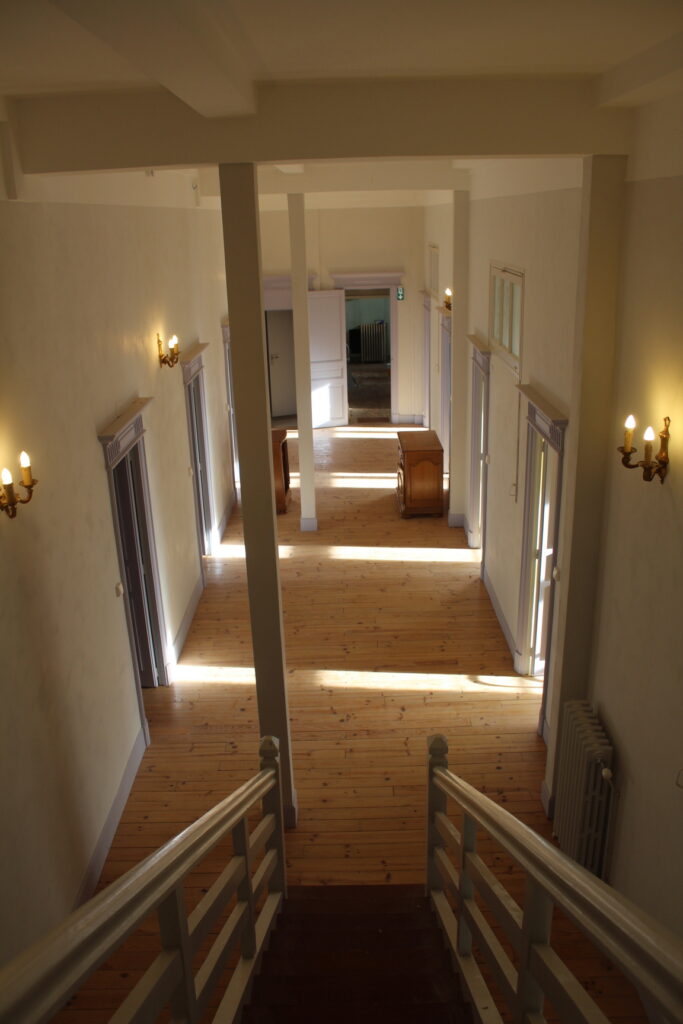
The Abbey also hosts spaces dedicated to collaboration and innovation. Here participants develop projects connected to the Benedictine Oasis ecosystem — from cultural initiatives to technological and social innovation.
Functional spaces:
- Project rooms and collaborative spaces
- Innovation workshops and laboratories
- Meeting spaces for dialogue and mentoring
Abbey Campus Map — A Living Landscape
A place where land, buildings, and life form a coherent whole.
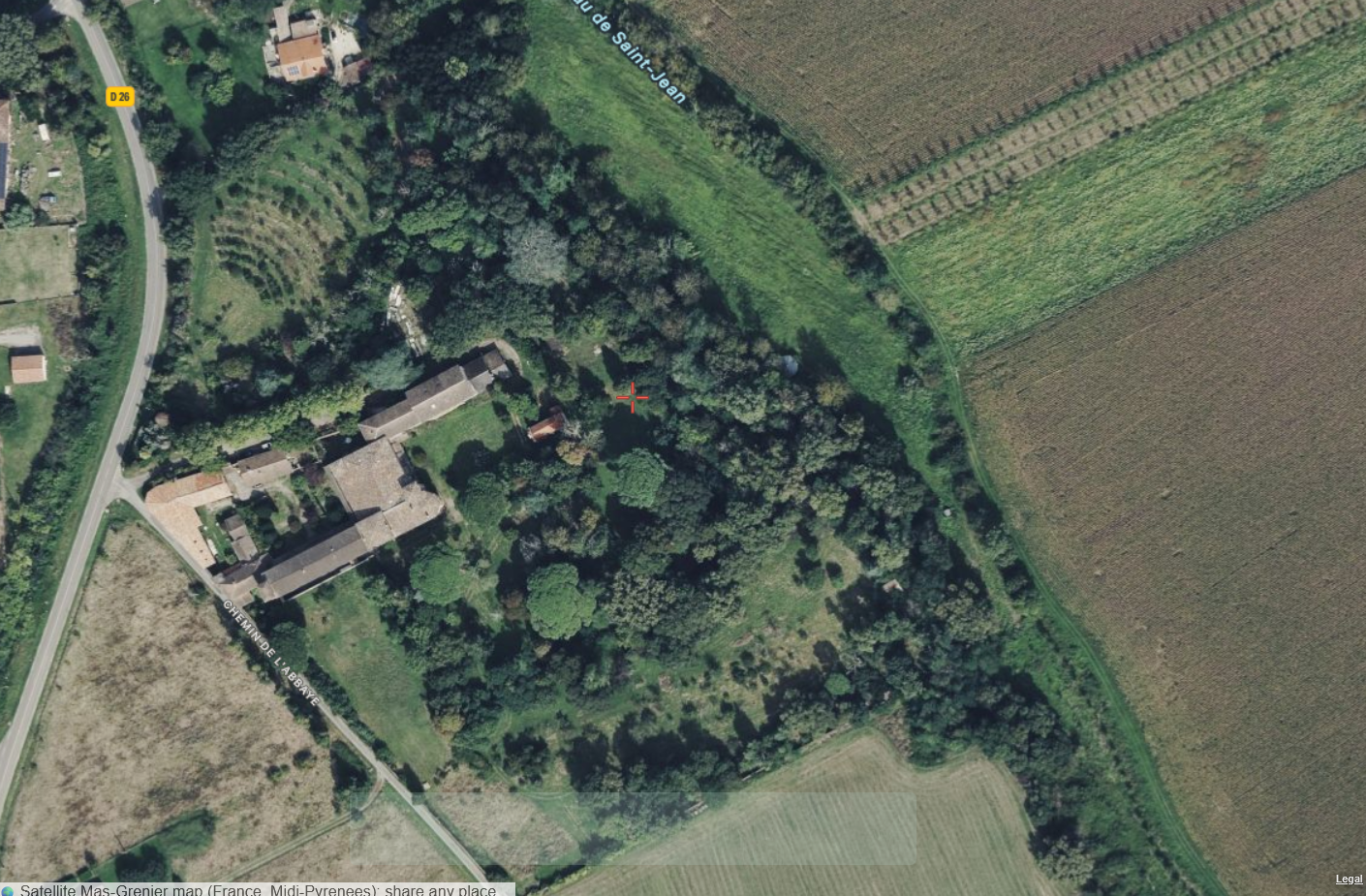
The Benedictine Oasis unfolds across a campus where historic buildings, gardens, workshops, and living spaces interact as a single environment. Each part of the site supports a different dimension of the ecosystem — reflection, cultivation, creativity, learning, hospitality, and innovation.
A Day in the Abbey — Rhythm of Life
The day moves through spaces that shape attention.
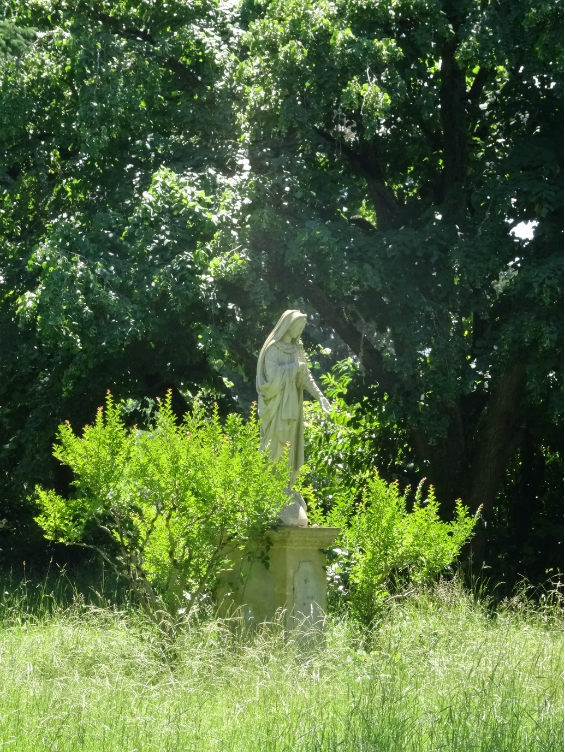
Morning — quiet reflection and walking through gardens.
Learning and Creation — workshops, seminars, and artistic practice.
Midday — shared meals and community life.
Afternoon — work in gardens, studios, and innovation projects.
Evening — reflection and calm conversation as the day returns to silence.
Paths Through the Abbey
Every path begins with a step.
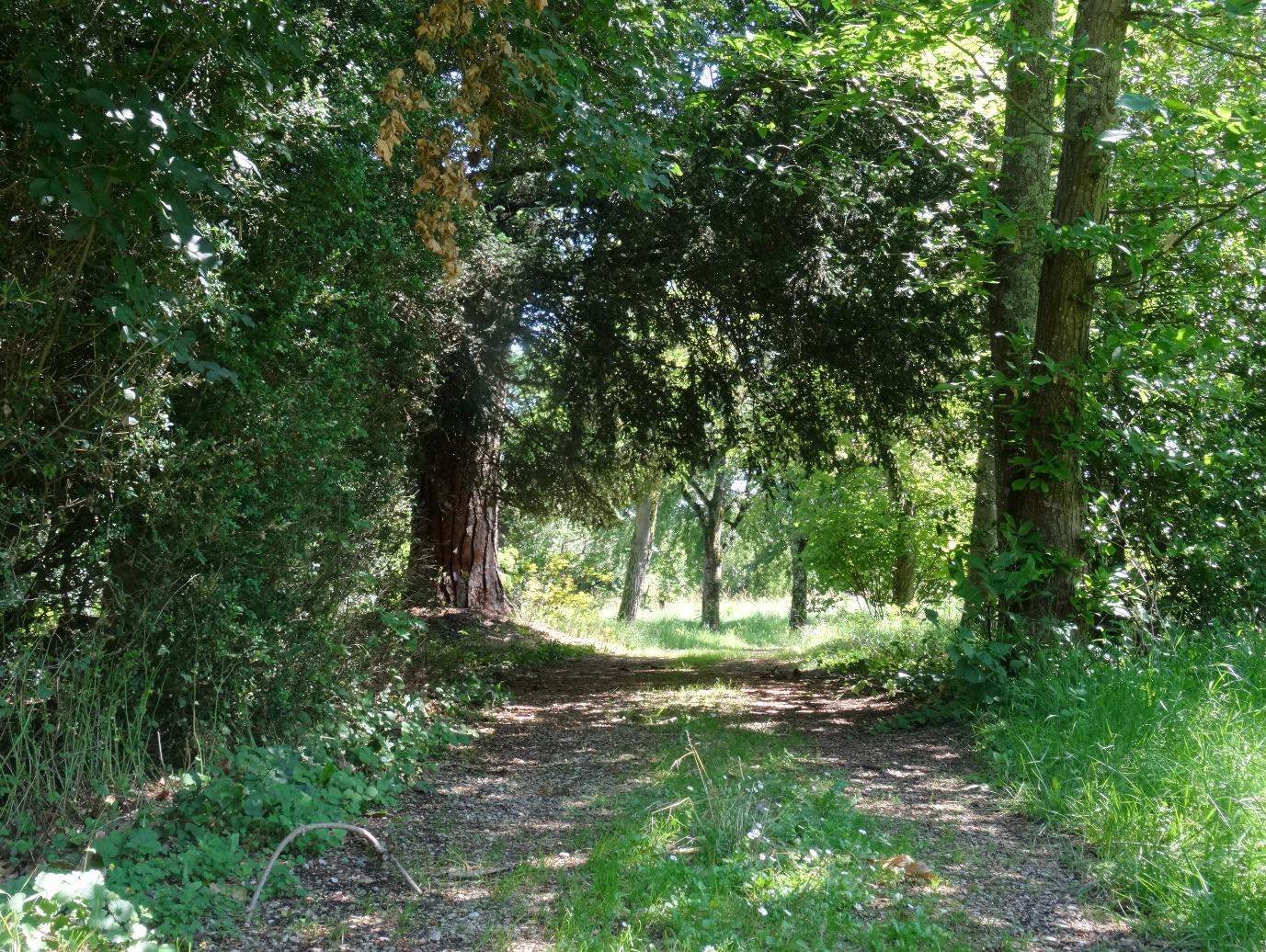
Visitors may enter the Benedictine Oasis in different ways: through retreats, learning programs, creative practice, or project development. Over time the Abbey becomes a place of orientation and renewal where people return to deepen their journey.