Monastic Music & Dramatic Traditions
Voice, Rhythm, and the Living Word
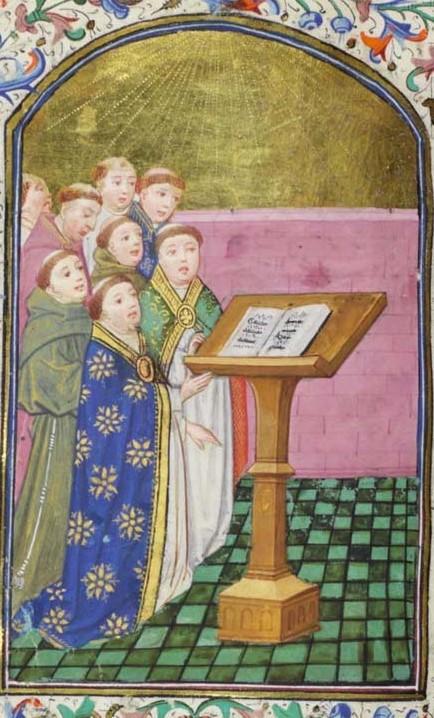
In medieval monasteries, the voice was one of the most powerful artistic instruments. Through chant, recitation, and dramatic storytelling, communities expressed spiritual texts and collective memory.
Within the Benedictine Oasis ecosystem, these traditions are rediscoveredas living practices connecting sound, language, and human presence.
Gregorian Chant
The Music of Monastic Life
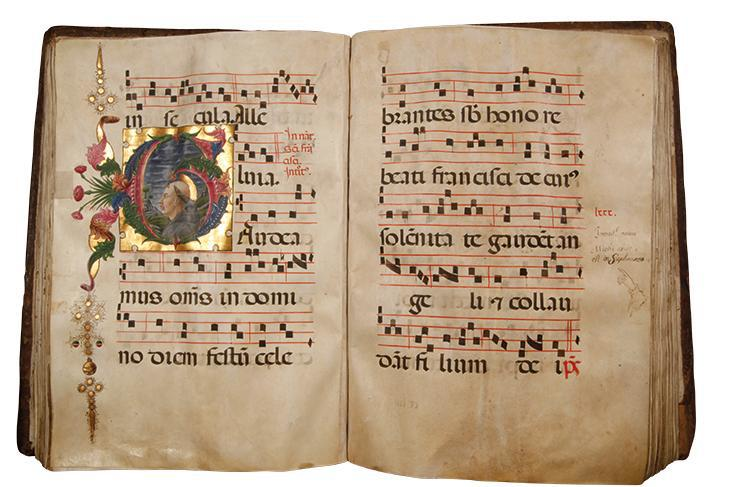
For centuries monasteries have sung the Divine Office, structuring the day through prayer and music.
Gregorian chant is both musical expression and contemplative discipline.
Participants explore the fundamentals of chant, listening, breath, and vocal harmony.
Possible workshops:
- introduction to Gregorian chant
- choral practice and vocal technique
- chant notation and medieval music
Learning chant can become a powerful practice for calming the nervous system.
Participants explore:
- breathing through chant
- vocal resonance
- slow rhythmic singing
- attentive listening
Chant helps restore inner calm and collective harmony.
Drama
Storytelling Through Performance
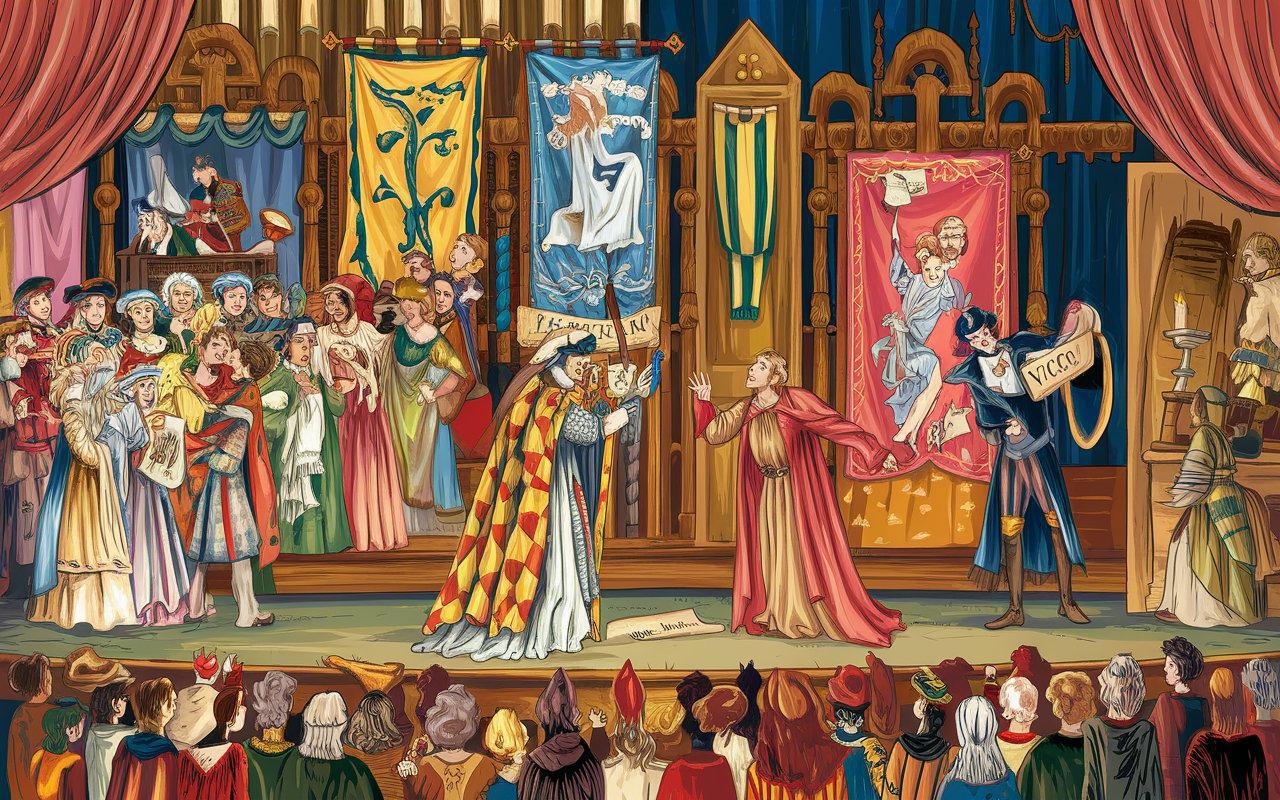
In medieval Europe, mystery plays and morality plays brought biblical stories to life through dramatic representation.
These performances combined narration, music, gesture, and communal participation.
Workshops explore:
- dramatic storytelling
- sacred theatre traditions
- voice, gesture, and presence
- collective performance
The human voice carries emotions that are often difficult to express through ordinary conversation.
Through guided exercises participants explore:
- vocal expression
- tone and resonance
- speaking from presence
- emotional release through sound
This practice reconnects voice with authenticity.
Spoken Word and Poetry
The Living Voice of Text
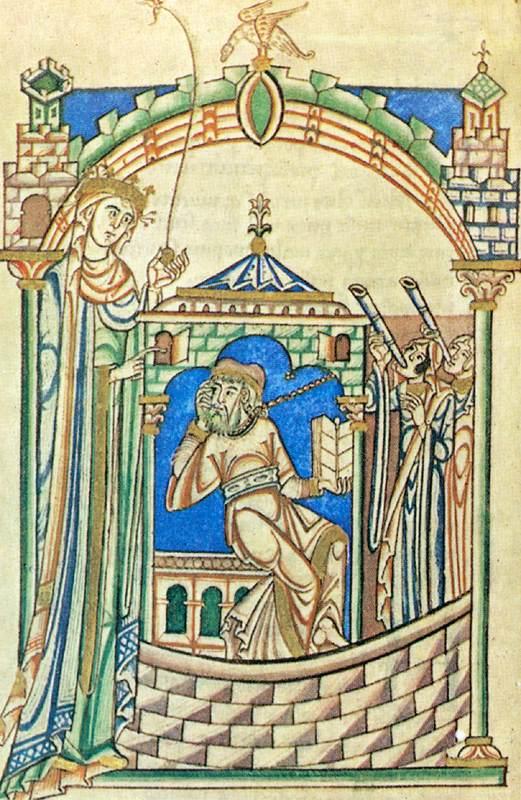
Before printing, texts were often heard as much as read. Monastic communities recited scripture, poetry, and philosophical texts aloud.
Activities include:
- poetry reading and interpretation
- public speaking and recitation
- storytelling traditions
- dramatic reading of great texts
Music, Movement, and Presence
Embodied Expression
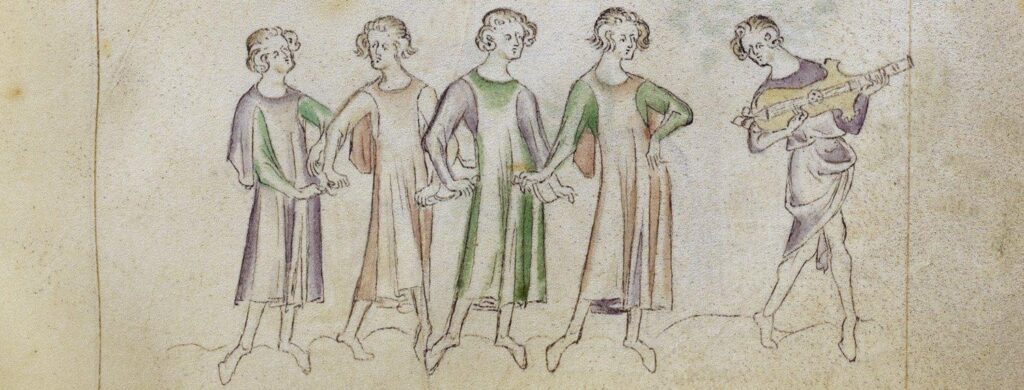
Medieval artistic culture integrated voice, music, and movement.
Instruments, gesture, and rhythm accompanied celebrations, rituals, and storytelling.
Workshops include:
- traditional music interpretation
- rhythmic expression
- ensemble practice
- voice and body awareness
Rhythm is one of the oldest forms of communal expression.
Participants explore:
- vocal rhythm
- body percussion
- group rhythm exercises
- group rhythm exercises
These practices help cultivate coordination, presence, and group cohesion.
Community Performances
Art Shared With Others
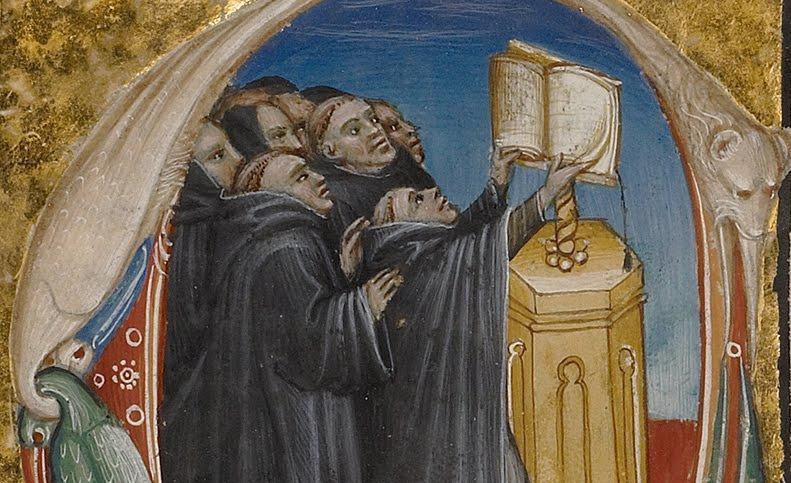
The performing traditions of monasteries were deeply communal.
Music and storytelling brought people together during feasts, celebrations, and shared gatherings.
Within the Benedictine Oasis, performances become moments where artistic practice and community life meet.
Narrative helps individuals integrate life experiences and rediscover meaning.
Participants learn to:
- structure personal stories
- share experiences with others
- listen with attention
- transform memories into narrative
Storytelling becomes a tool for personal integration and community connection.