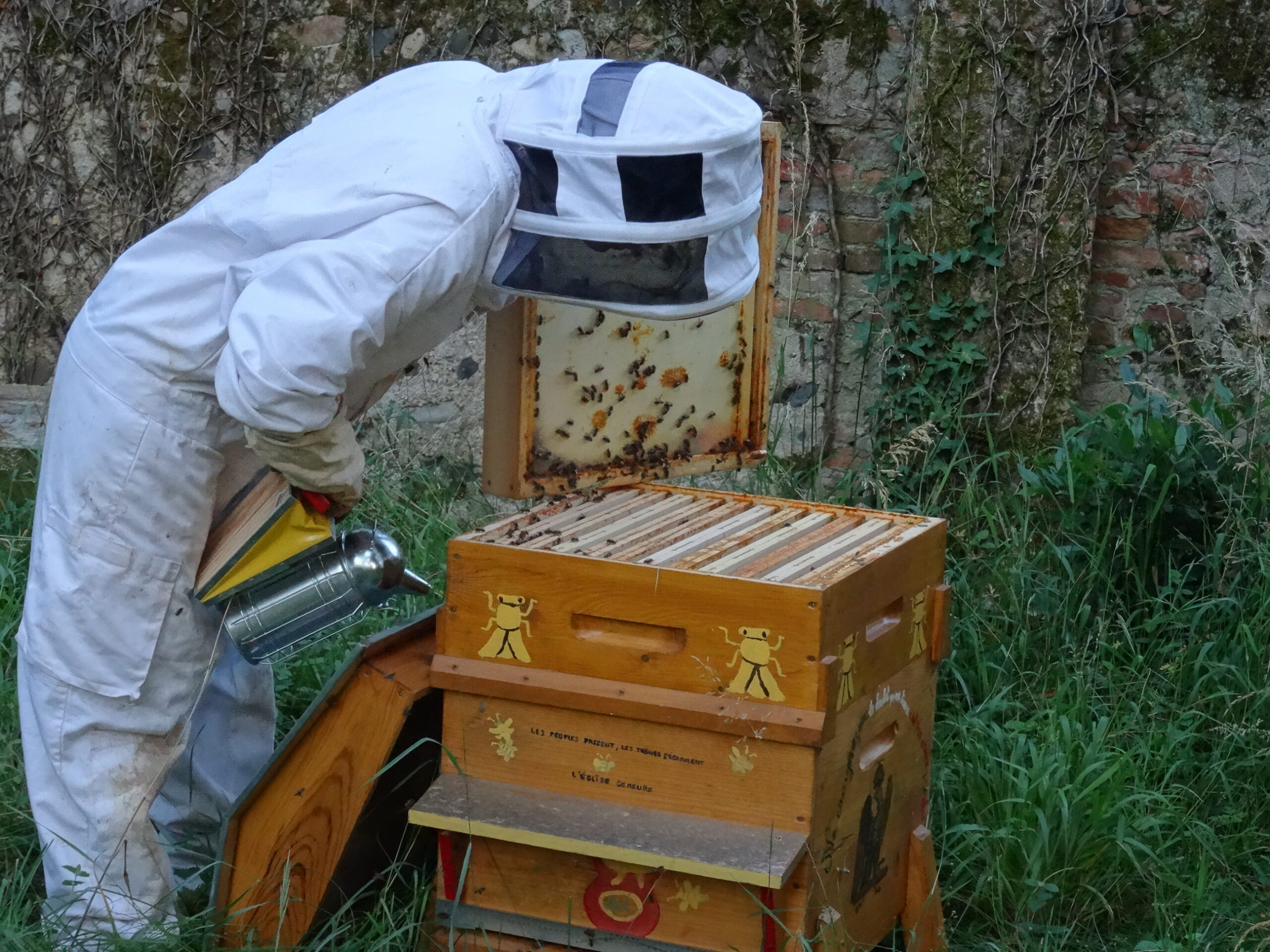
Benedictine micro-farming
Cultivating the land with attention and care, where ecological practices, technology, and monastic wisdom meet.
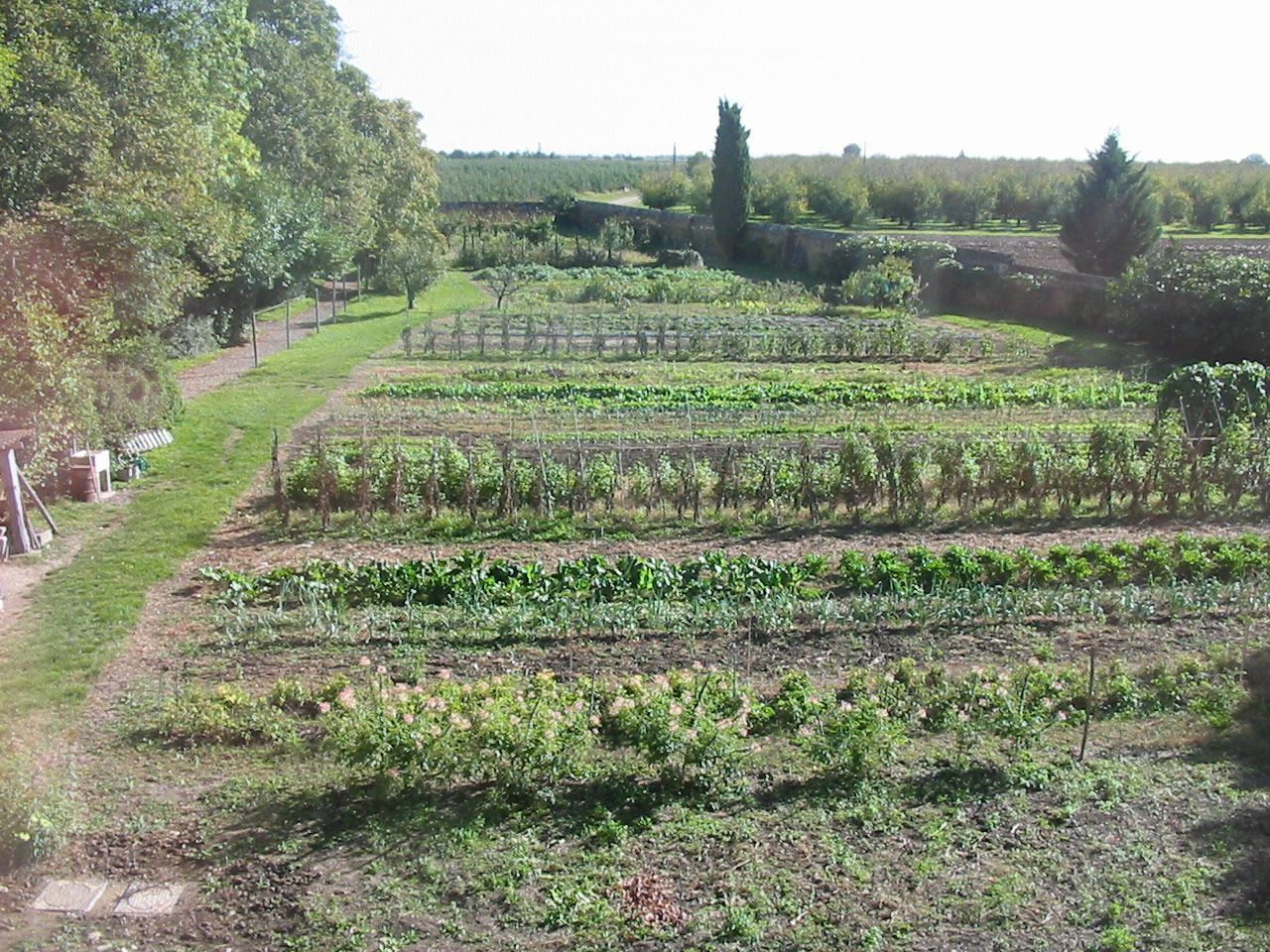
The Garden
The garden surrounds the Abbey and provides a wide variety of fruits, vegetables, and plants cultivated with care and respect for nature.
All crops are grown according to certified organic farming practices, ensuring a healthy and sustainable environment and preserving the natural balance of the land.
Each season shapes the rhythm of cultivation and harvest, guiding the daily work and providing fresh, nourishing ingredients.
In its quiet order and diversity, the garden reflects a harmony between nature, work, and attentive care.
The Orchard
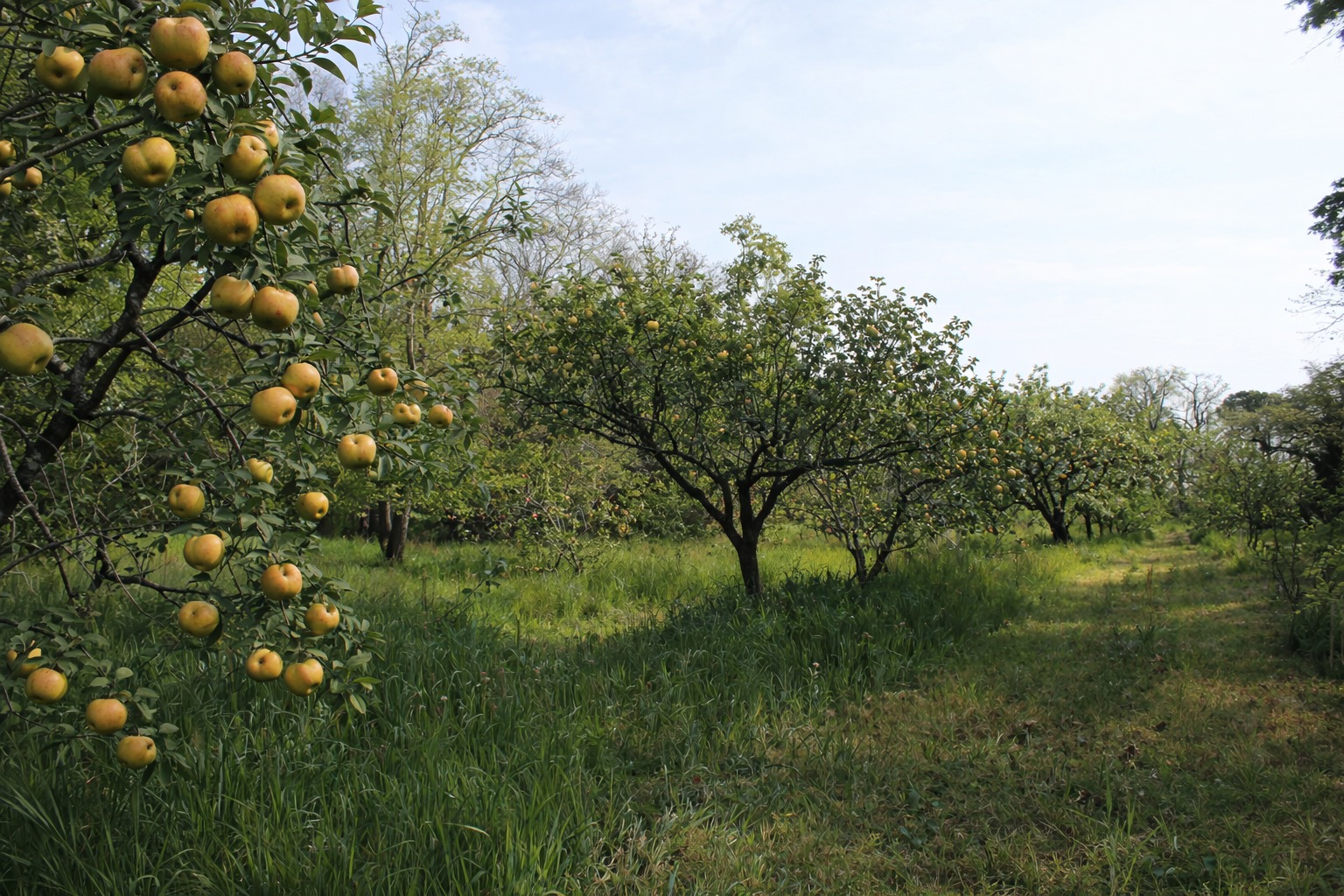
The orchard extends around the Abbey, where fruit trees grow in a balanced and natural environment.
Apples, pears, figs, and other varieties are cultivated with patience, following the slow rhythm of the seasons.
The orchard provides fresh fruit as well as ingredients for transformation, linking harvest to nourishment throughout the year.
Its blossoms, fruits, and changing colors mark the passing of time and the quiet continuity of life at the Abbey.
Herbs and Medicinal Plants
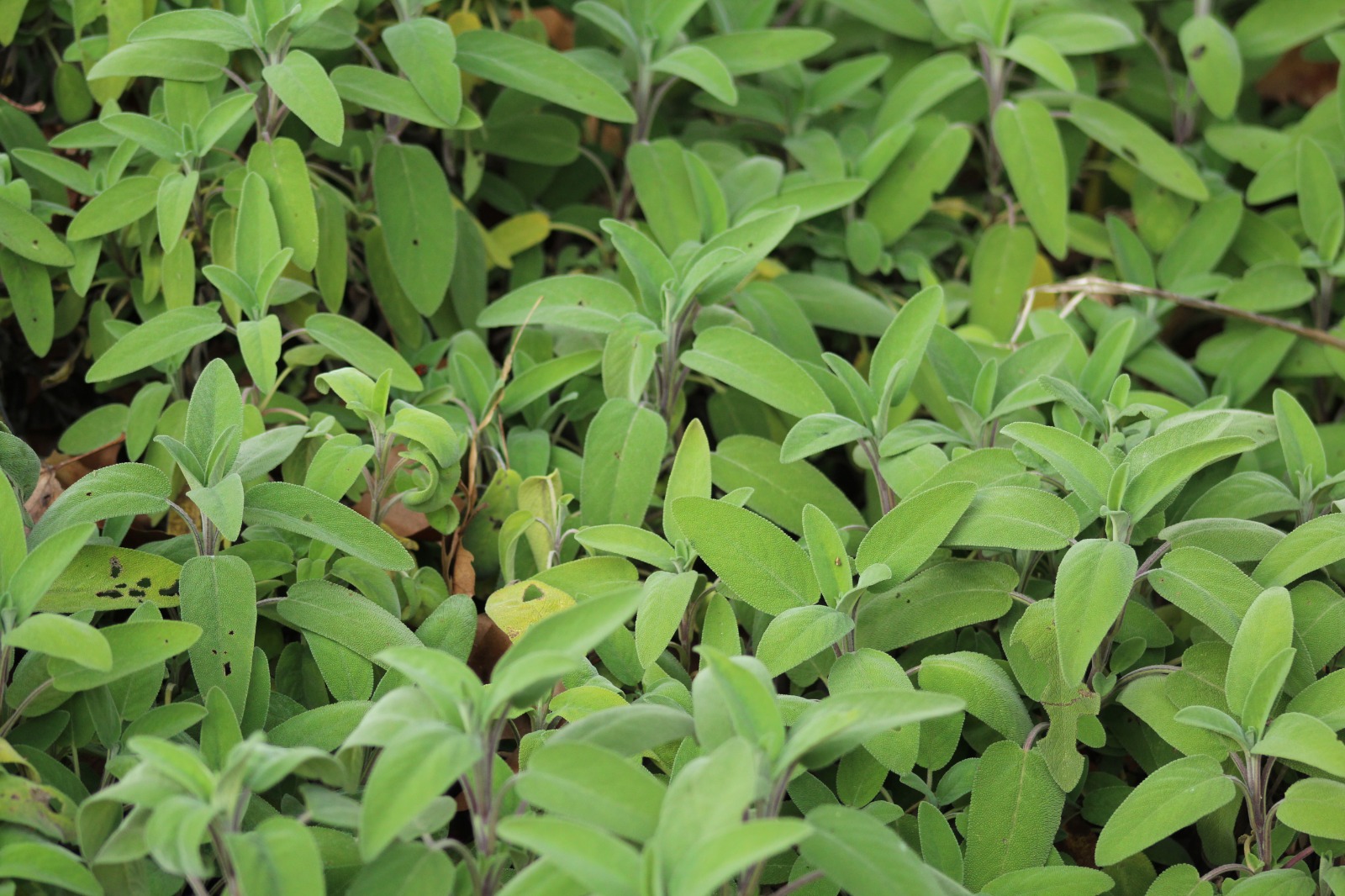
Aromatic and medicinal plants are cultivated in dedicated gardens surrounding the Abbey.
Used in cooking, herbal infusions, and natural remedies, they reflect a living tradition inspired by the teachings of Saint Hildegard of Bingen.
Prepared as herbal teas, syrups, tinctures, oils, or balms, plants such as mint, thyme, willow, or chamomile support well-being and daily care.
Their subtle fragrances accompany the quiet rhythm of the garden, linking nature with balance of body and spirit.
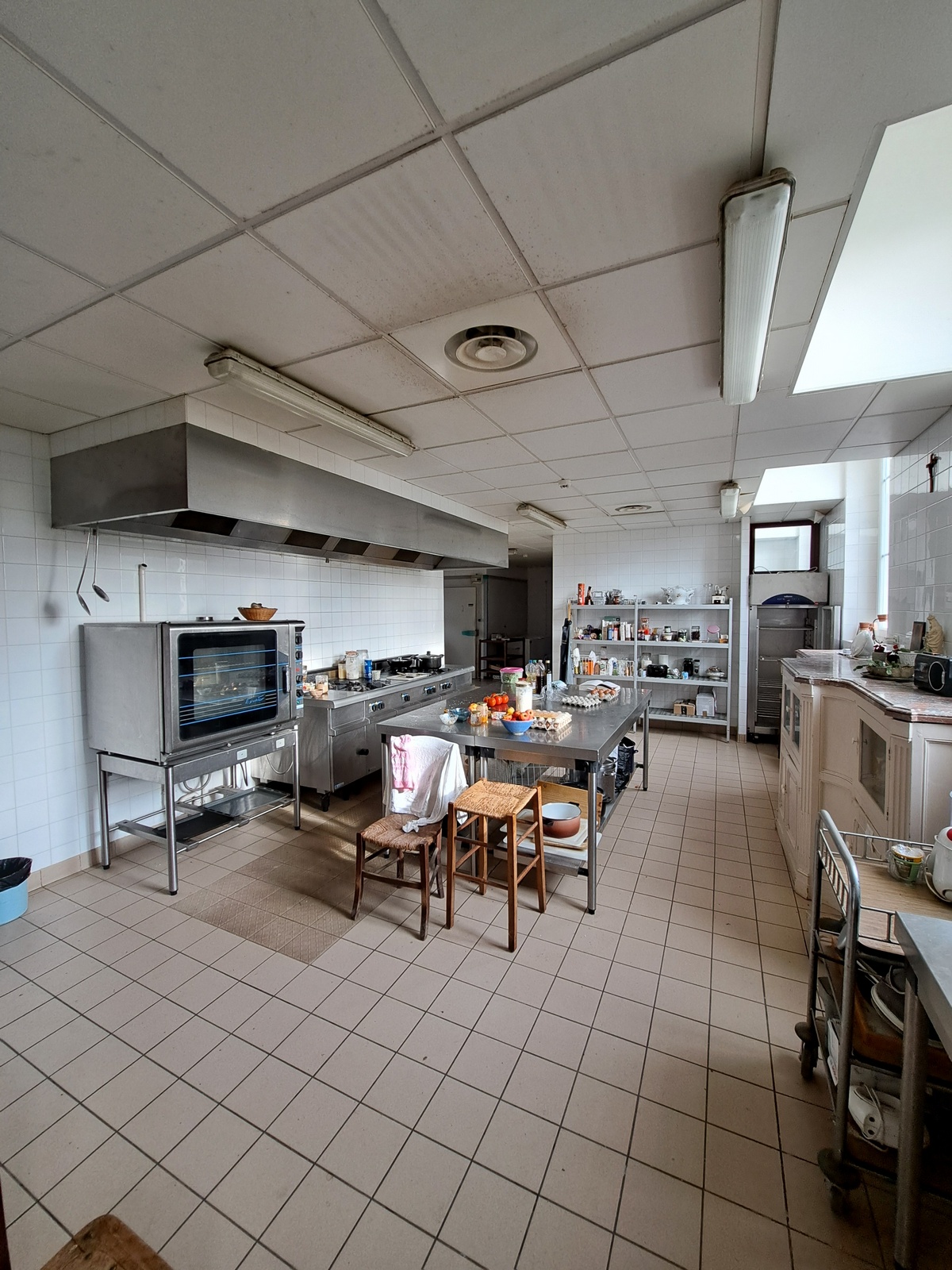
The Kitchen
The kitchen is at the heart of daily life at the Abbey, where the harvests are prepared with care and simplicity.
Seasonal fruits, vegetables, and herbs are transformed into nourishing meals that respect the integrity and quality of each ingredient.
Cooking follows a rhythm of attentive gestures, where preparation, transformation, and sharing come together in a meaningful way.
In this space, food becomes a link between the work of the land and the life of the community.
Food Transformation
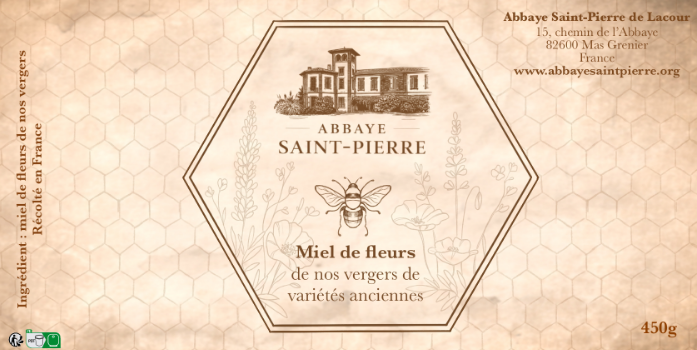
The fruits, herbs, and plants grown at the Abbey are carefully transformed on site using simple and traditional methods.
Through drying, infusions, preserves, and syrups, each harvest is extended and its natural qualities are preserved.
Transformation follows a structured process, from sorting and preparation to techniques such as pasteurisation, drying, or vacuum sealing .
The Abbey also shares this knowledge through workshops, where participants learn how to transform fruits, vegetables, and medicinal plants, connecting practice, transmission, and daily life.
Learning Through the Land
The Abbey is a place of learning, where knowledge grows in close connection with the land and its rhythms.
Through cultivation, transformation, and daily practice, each activity becomes an opportunity to understand nature, seasons, and the care they require.
Workshops, shared experiences, and hands-on learning invite participants to rediscover traditional skills and develop a deeper awareness of sustainable ways of living.
In this living environment, learning is not separate from doing, but rooted in experience, linking knowledge, practice, and respect for the natural world.