Destruction and Renewal
The Abbey’s history is marked by cycles of destruction and rebirth. Shortly after its foundation, it was destroyed by Norman invasions in the 9th century, only to be re-established in the 10th century through the support of local lords.
In 993, Saint-Pierre de Mas-Grenier joined a major monastic federation alongside Saint-Michel de Cuxa and other important abbeys of southern France, affirming its role within a wider spiritual and intellectual network.

Conflict, Exile, and Return
The Wars of Religion deeply affected the Abbey. In 1574, the Benedictine monks were expelled by Protestant forces; the abbey was pillaged and burned, forcing the community into exile for nearly a century
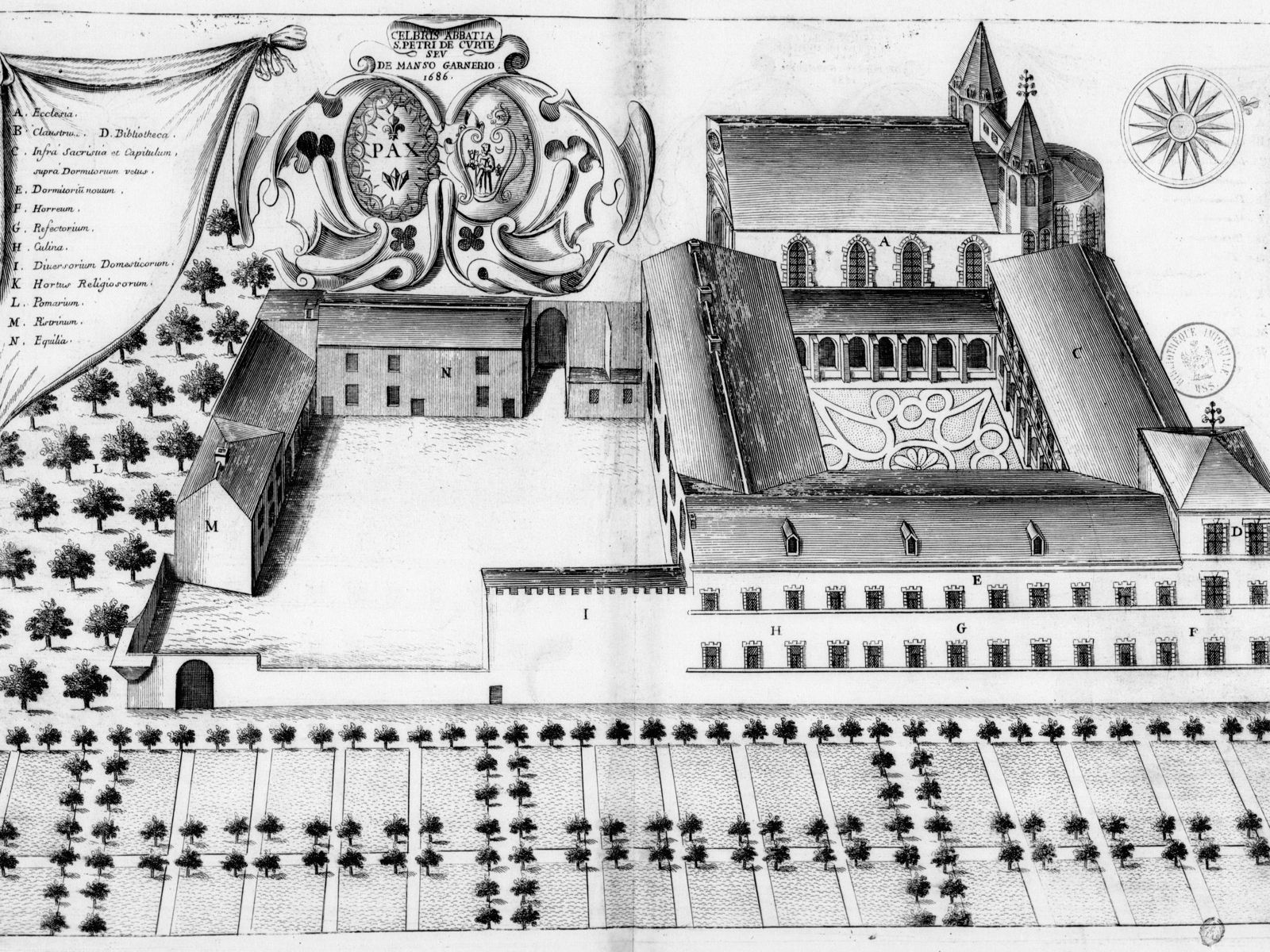
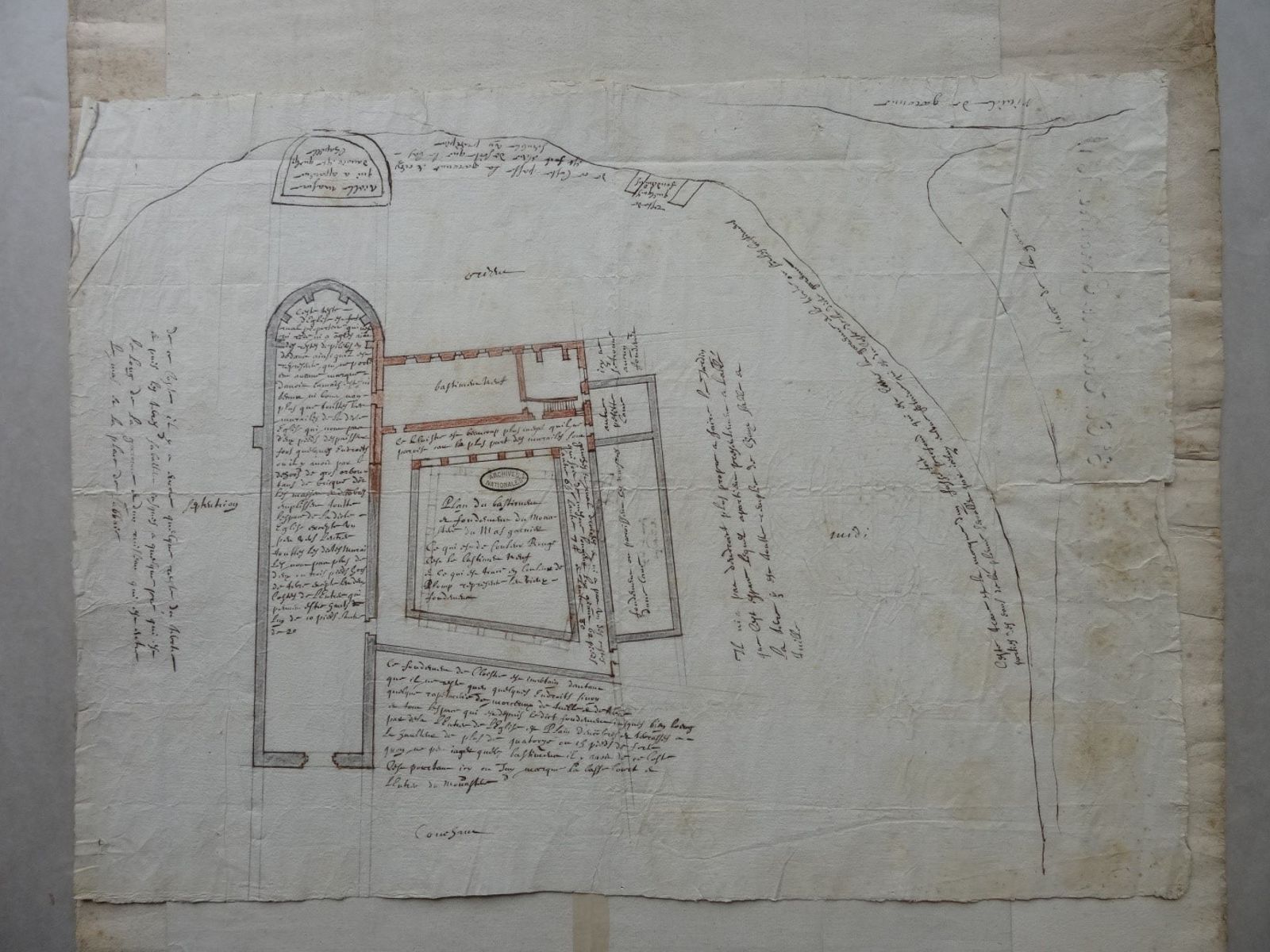
Their return in the 17th century marked a new phase of reconstruction and reform. Affiliated with the Congregation of Saint-Maur, renowned for its intellectual rigor and architectural ambition, the Abbey undertook major rebuilding works. A new Gothic church was erected, and in the 18th century an ambitious plan for a complete monastic complex was launched—partially realized before being interrupted by the French Revolution.

Revolution, Secularization, and Transformation
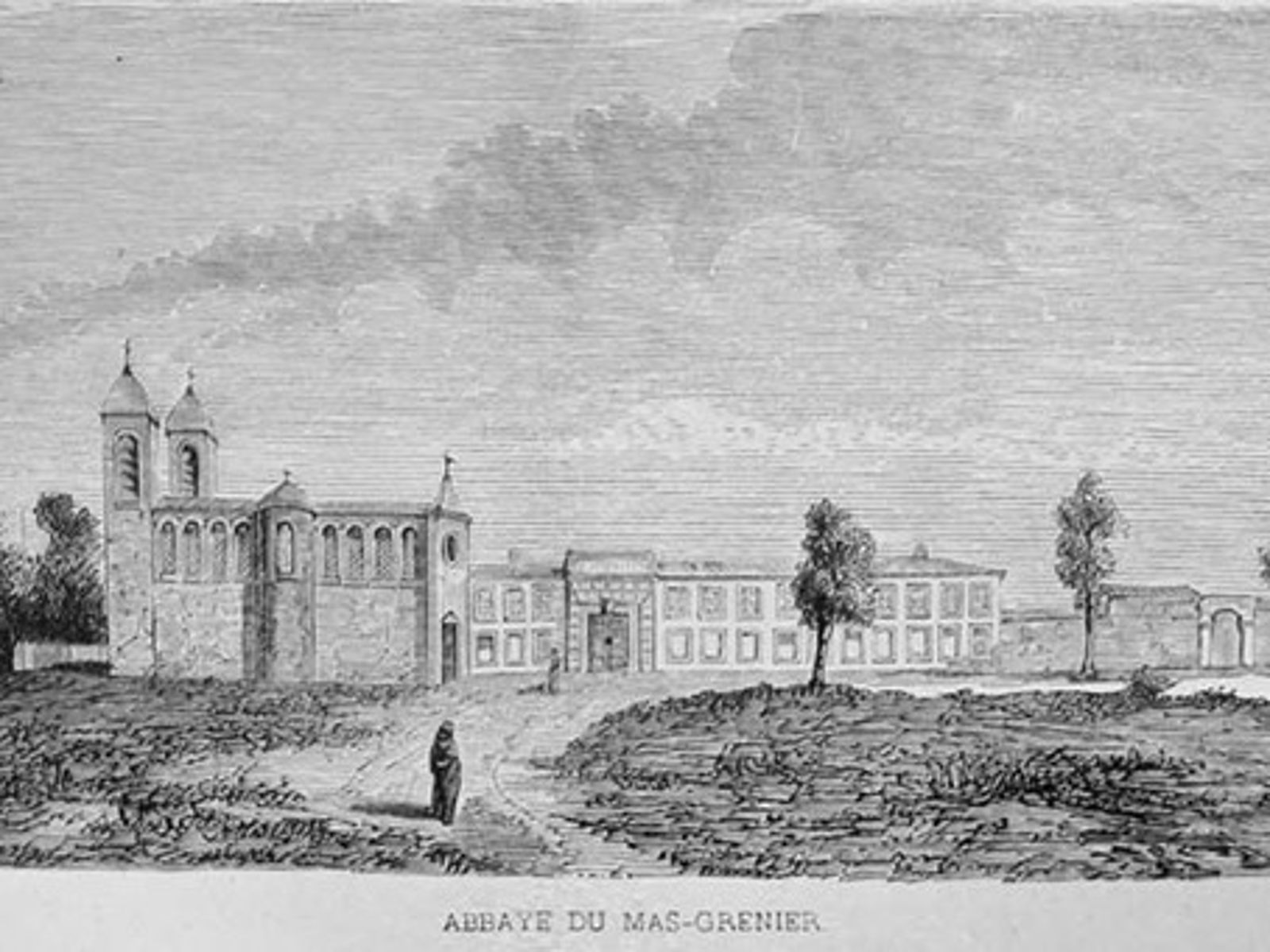
With the French Revolution, monastic life once again came to an abrupt halt. In 1790, the religious community was dissolved, the church demolished, and large parts of the cloister destroyed. The Abbey passed into private hands and entered a long period of secular use and transformation.
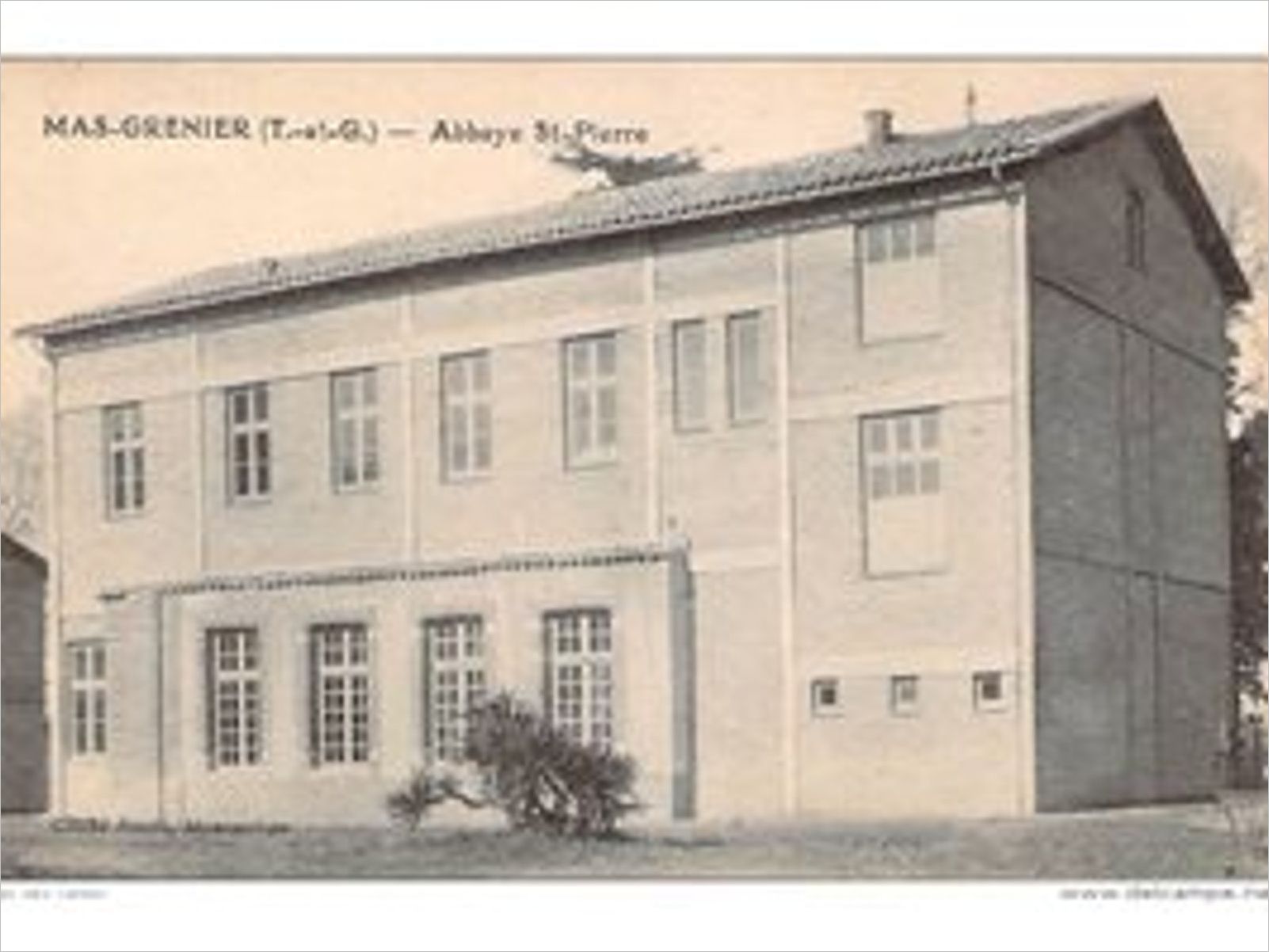
Throughout the 19th and early 20th centuries, the site changed owners and functions, while retaining its architectural presence and symbolic weight in the landscape.

A Living Heritage
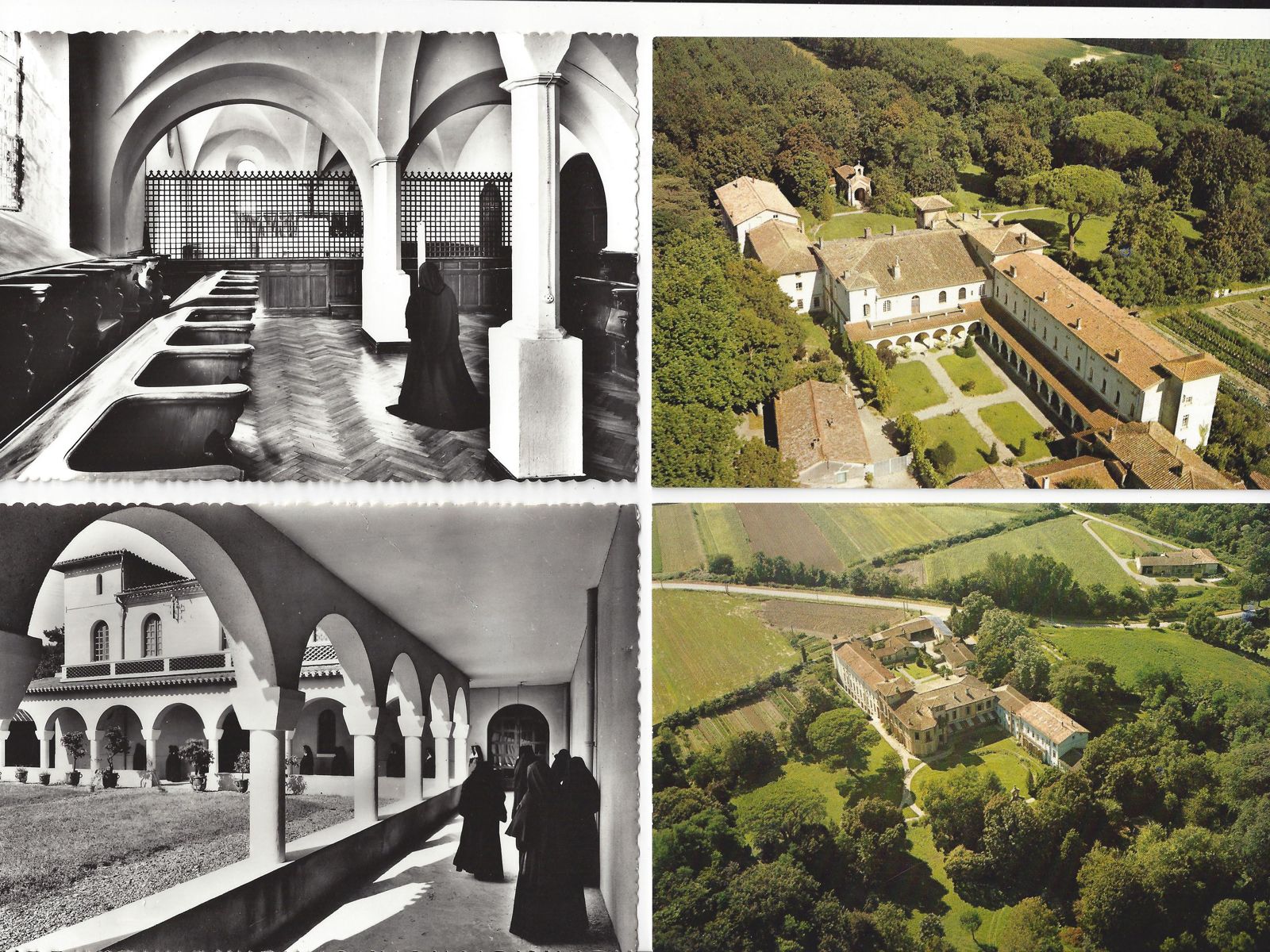
In 1921, religious life returned to Mas-Grenier, and later a community of
contemplative Benedictine nuns took up residence. Monastic life continued on the site until 2014, when the last religious community departed.
Today, Abbaye Saint-Pierre enters a new chapter. Faithful to its origins as a place of shared life, rhythm, and transmission, the Abbey is being reimagined as a living ecosystem—one that honors its monastic heritage while opening it to contemporary paths of self-discovery, renewal, culture, and service to the common good.