
Art as Contemplation and Craft
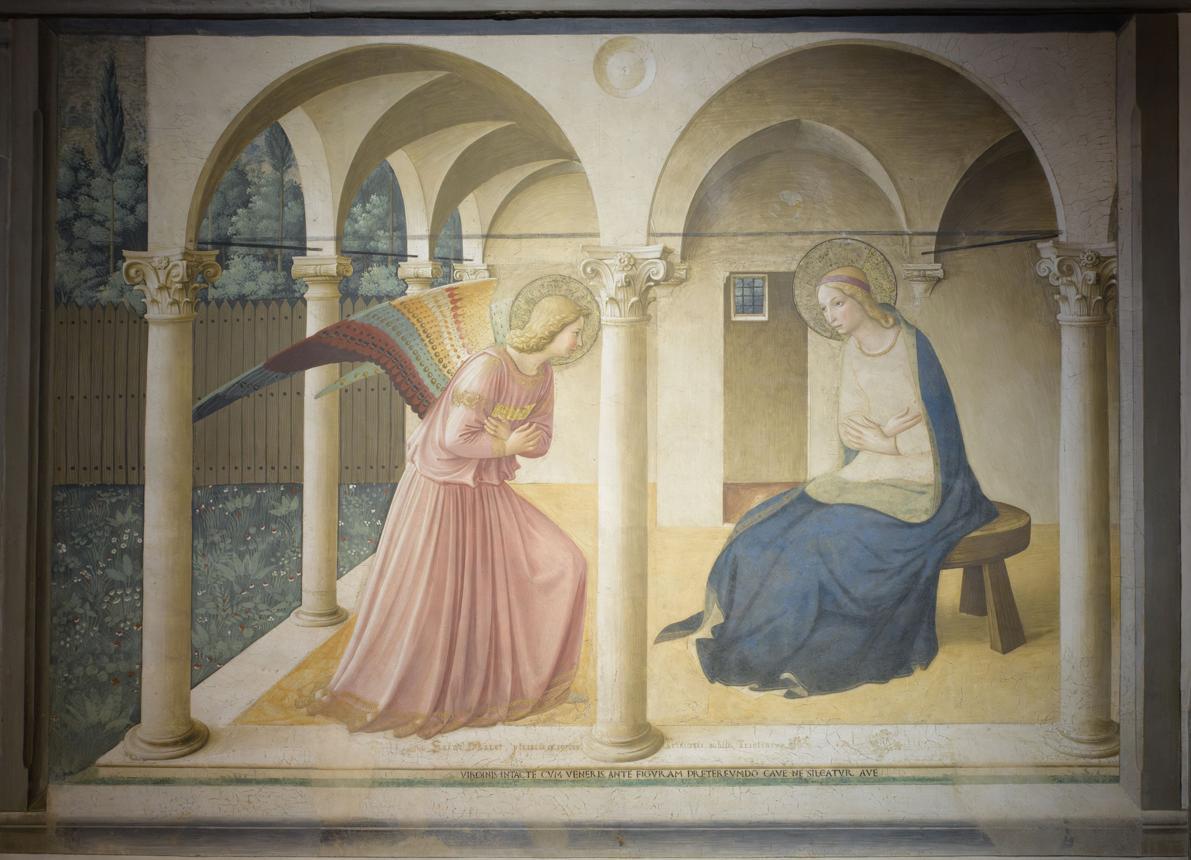
From drawing, painting, sculpture and other manual arts — make inner experience visible where words alone cannot.
Working with matter, colour, and structure sharpens perception and patience, reconnecting creativity with care, precision, and humility.
In the monastic ateliers making becomes a dialogue between inner life and the material world.
Sacred Images
Painting as a Window Toward the Invisible
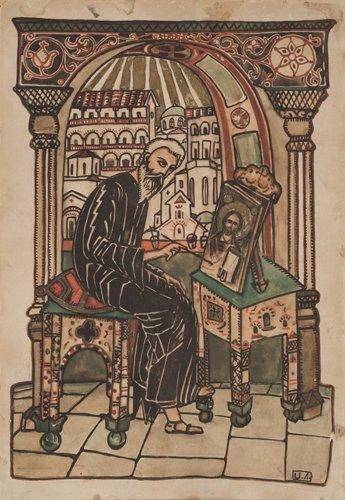
Sacred painting has long helped believers contemplate spiritual realities.
Artists such as Fra Angelico created images whose beauty invites silence and meditation.
Through iconography and sacred painting traditions, images become visual theology.
Workshops introduce participants to symbolic composition, tempera techniques, and the contemplative discipline behind sacred art.ess.
Illuminated Manuscripts
The Art of Light and Word
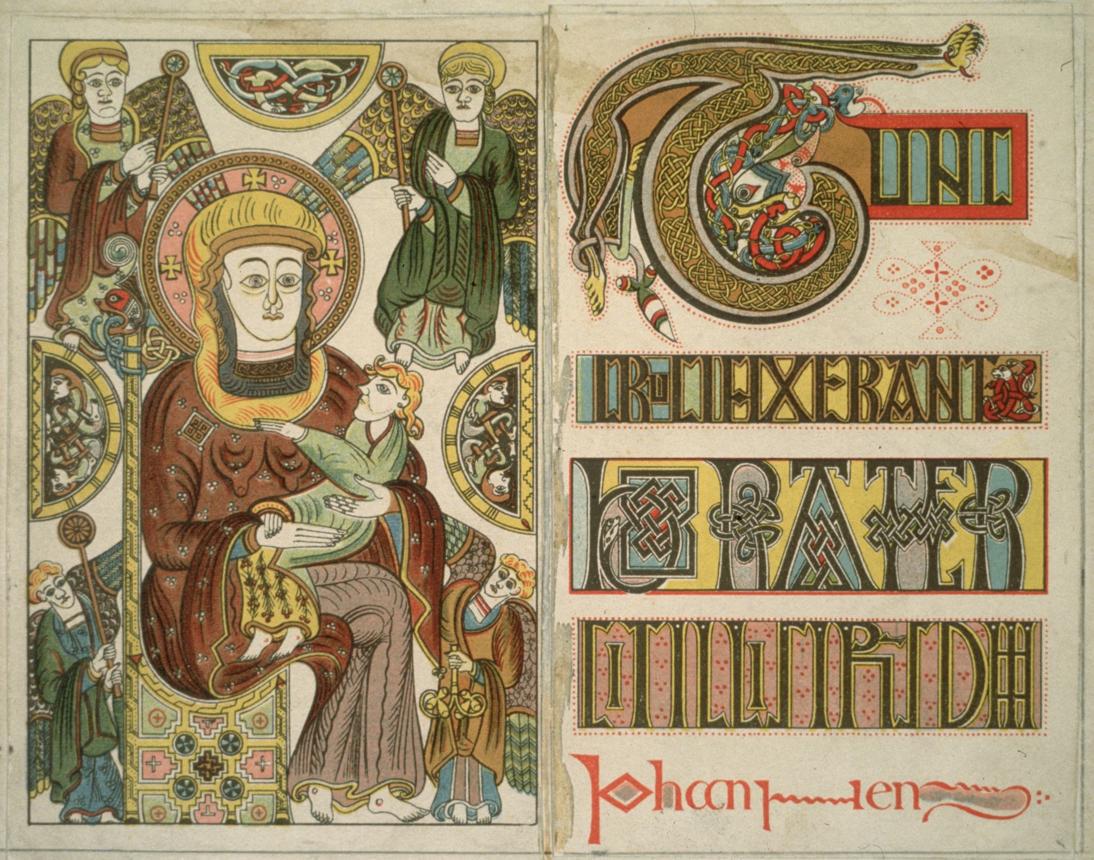
In medieval monasteries, scriptoria preserved and transmitted knowledge through manuscripts carefully written and illuminated.
These works combined text, colour, and gold to express both intellectual and spiritual beauty.
Participants in the monastic atelier discover how illumination techniques unite artistic skill with patient attention to detail.
The Intelligence of the Hand
Craft, Materials, and Patience
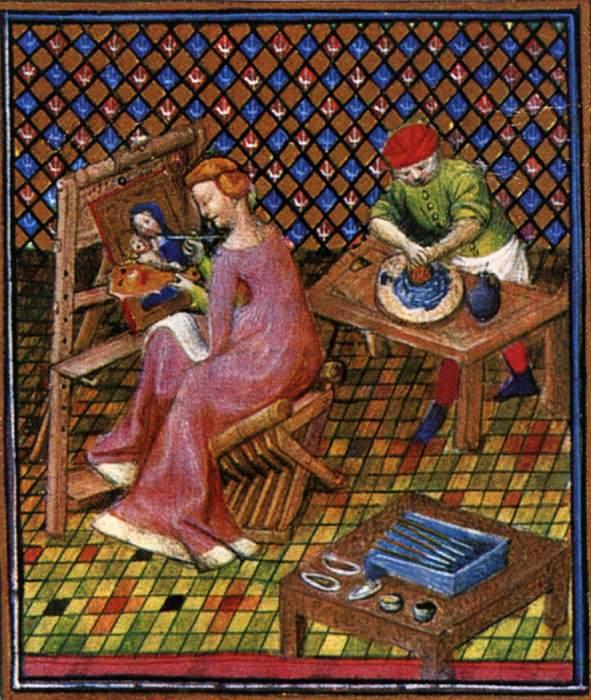
Monastic art was inseparable from craftsmanship.
Artists prepared pigments, mixed colors, and worked slowly with natural materials.
This disciplined approach to materials cultivates patience and respect for the creative process.
Learning traditional techniques reveals the intelligence of the hand.
Sacred Images
Learning Through Practice
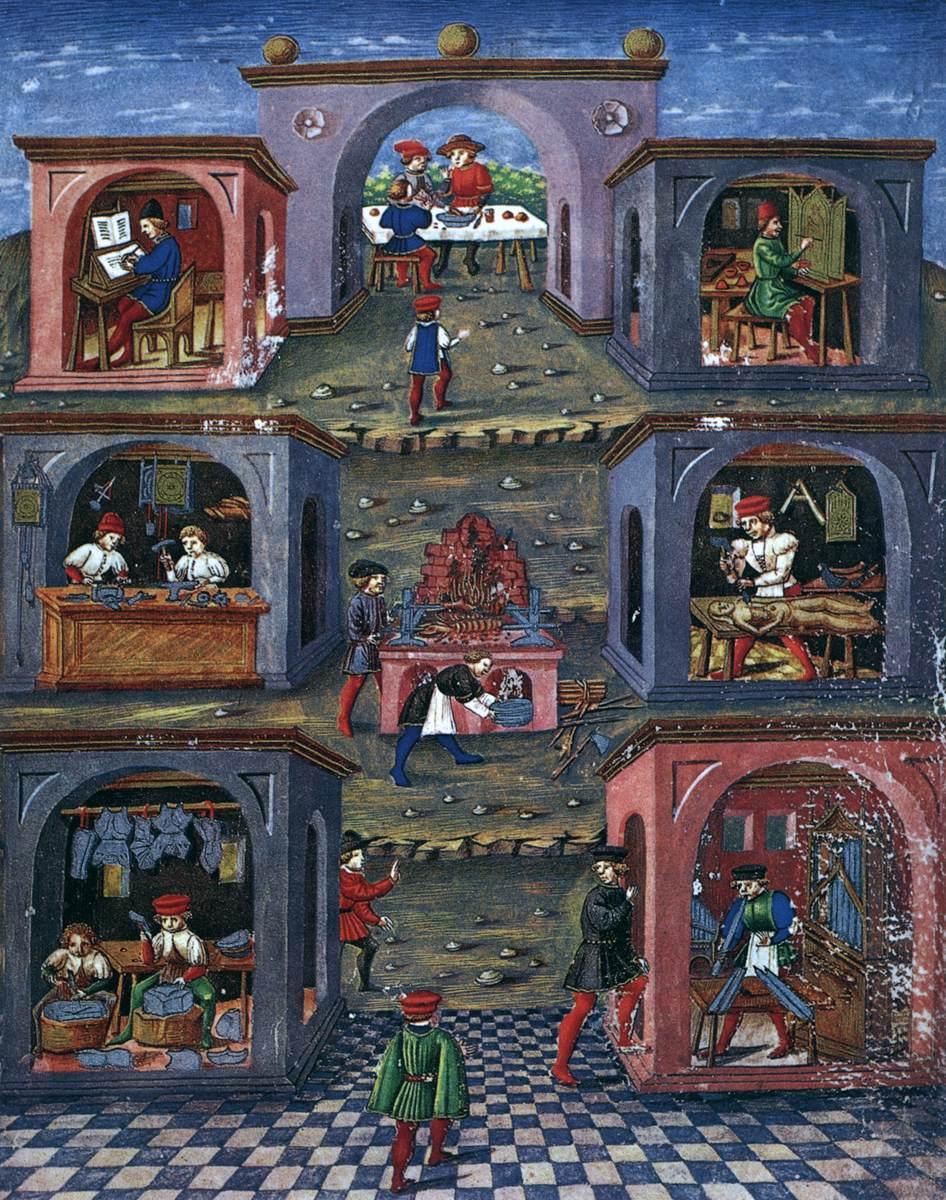
The Monastic Arts program offers workshops and learning experiences rooted in traditional artistic practices.
Participants may explore:
- sacred painting and iconography
- manuscript illumination
- decorative arts techniques
- drawing and observation
Through practice, art becomes a path of attention and discovery.
Beauty and Contemplation
A Culture of Seeing
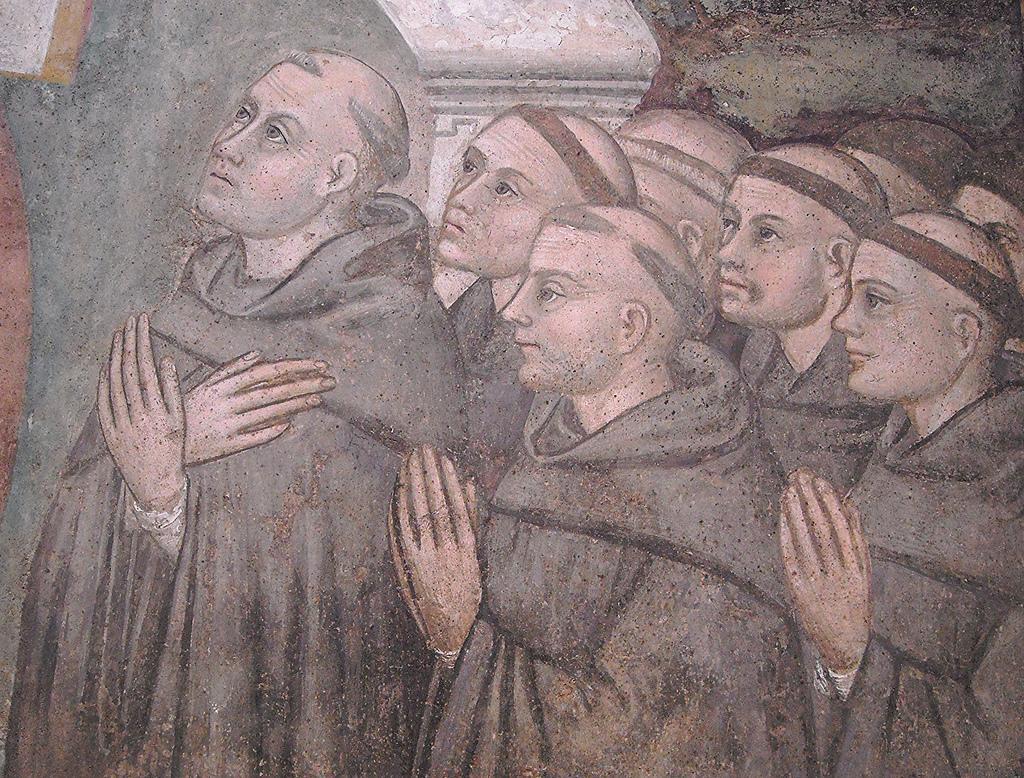
For centuries monasteries cultivated environments where beauty supported reflection.
Images, architecture, and objects were created to nourish prayer, study, and communal life.
The Monastic Arts within the Benedictine Oasis continue this tradition by encouraging creativity that reconnects beauty, craftsmanship, and contemplation.